

Charlotte’s rental market rewards preparation. Renters can improve their options by tracking new listings, organizing application materials, and comparing the full monthly cost—not just advertised rent—while rental property owners can stand out through accurate pricing, responsive communication, and well-presented homes.
Reading Charlotte’s Rental Listing Trends
Rental listings in Charlotte can change quickly, especially when new homes enter the market, leases turn over, or seasonal moving activity increases. A useful way to read the market is to look beyond a single listing: compare similar homes by location, bedroom count, condition, parking, included utilities, pet policies, lease terms, and move-in timing. That broader view helps renters recognize value and helps property owners understand how their home is positioned among active alternatives.
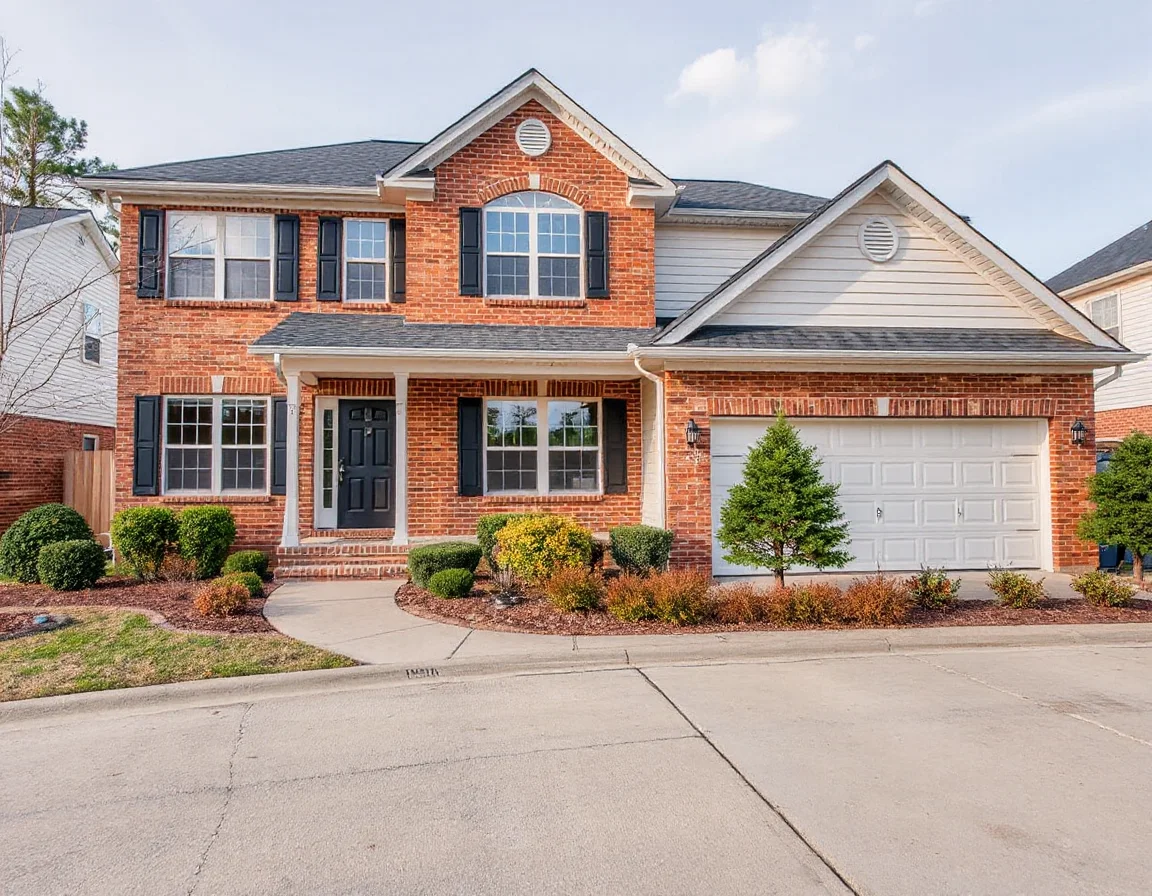
For renters, the number of available properties is only one part of the decision. A larger selection may create more opportunities to compare layouts and lease terms, while limited availability can make speed and organization especially important. Save searches, revisit listings frequently, and ask early about application requirements, deposits, utility responsibilities, maintenance procedures, and the date a home can actually be occupied. Clear answers make it easier to compare properties on equal footing.
For owners, active competition is a practical reminder that listing presentation matters. Bright, current photos; a complete feature list; straightforward lease details; and a realistic availability date can reduce confusion before a showing is scheduled. Pricing should be reviewed against comparable active rentals as well as recently leased homes when that information is available. A rental that receives attention but few applications may need a closer look at its price, condition, or listing details.
The strongest comparison is rarely “lowest rent wins.” Monthly housing cost, commute patterns, parking, included services, and the home’s condition can all affect whether a listing feels competitive.
Charlotte also contains a wide range of housing types, from apartment communities and townhomes to detached houses and newer multifamily properties. That variety means broad citywide averages can be less useful than a focused search within the areas and property types that match a renter’s practical needs. An apartment with amenities, a townhome with additional storage, and a single-family home with outdoor space may have very different cost structures even when their bedroom counts are similar.
What Renters Can Do Before a Good Listing Appears
Preparation turns a fast-moving search into a more manageable process. Before touring homes, set a comfortable monthly budget that includes rent plus recurring costs such as electricity, water, internet, parking, renter’s insurance, and any applicable amenity or pet fees. It is also wise to keep a separate reserve for moving expenses and deposits. Looking at the full picture helps avoid choosing a home based on a headline price alone.

Gathering documents in advance can also make the application stage less stressful. Requirements vary by property and landlord, but renters may be asked for identification, proof of income, rental history, references, and authorization for screening. Keep sensitive information secure, submit only through trusted channels, and read each application’s fee and refund policy before proceeding. If a requirement is unclear, request clarification in writing so there is a reliable record of the information provided.
During a tour, focus on observations that affect day-to-day use of the home. Test the level of natural light, note storage areas, inspect visible finishes, ask how maintenance requests are handled, and confirm which appliances remain with the property. Consider transportation routes, nearby services, outdoor recreation, and the time required for trips that are part of your regular schedule. These details are more useful than trying to make a decision from photos alone.
A measured approach can still be decisive. When a listing fits your budget and priorities, review the lease carefully, ask the remaining questions promptly, and be ready to apply if the terms work for you. Avoid skipping the review stage simply because a home is receiving attention. A lease is a meaningful commitment, and understanding responsibilities for repairs, renewals, notice periods, and deposits is an essential part of choosing well.
Search available rental listings
How Rental Property Owners Can Respond to the Market
Owners do not need to chase every market movement; they need a repeatable process for keeping a property competitive and well managed. Start with a candid property review before listing. Address visible maintenance needs, confirm that safety equipment is working, clean thoroughly, and make sure landscaping and exterior access areas are presentable. Small details can shape a prospective renter’s first impression long before they evaluate the floor plan.
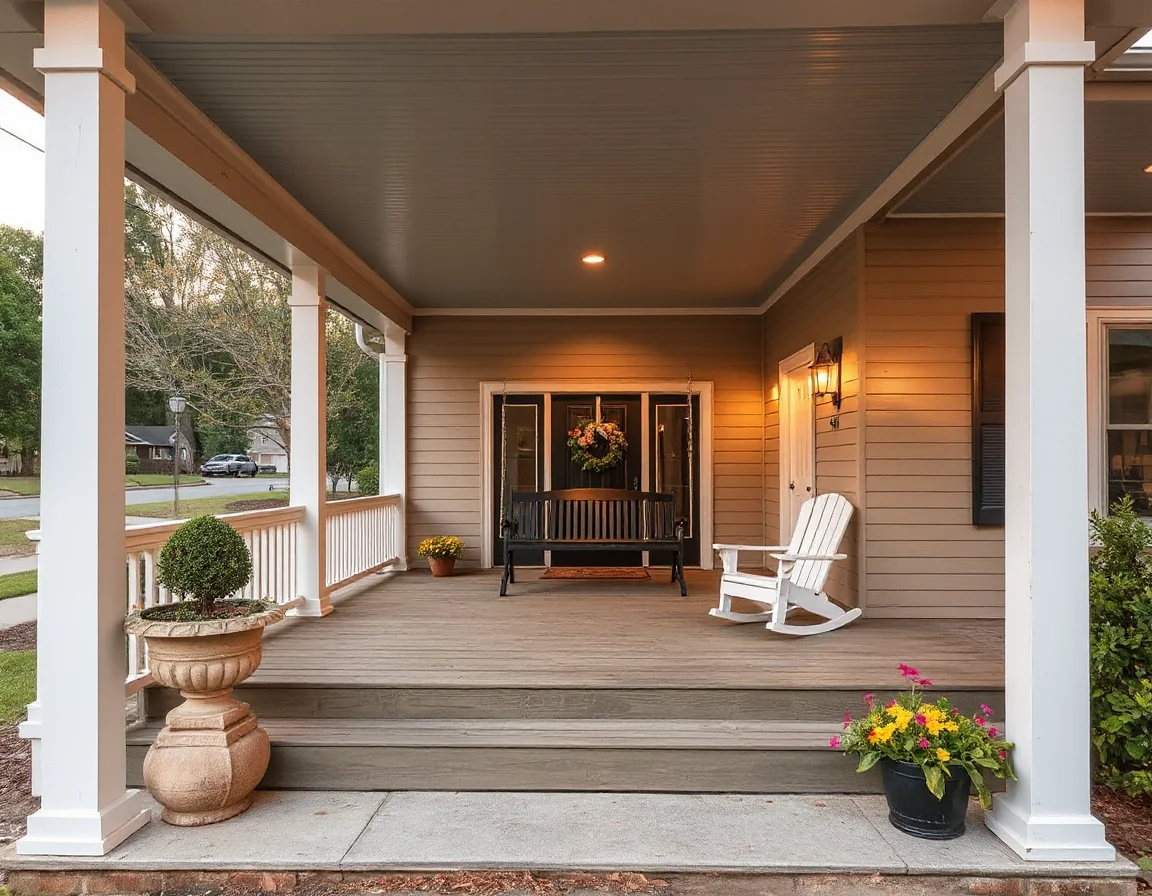
Then build a listing that answers the questions renters are likely to have. Include accurate room counts, square footage when verified, parking information, appliance details, availability, lease length, deposit expectations, and any recurring fees. Use photographs that show the actual condition of the home and its key spaces. Clear information helps attract inquiries from people who understand the offering and can reduce time spent resolving basic questions after a tour.
Pricing deserves attention throughout the listing period. If comparable homes are leasing quickly while yours remains active, review the listing’s condition, visibility, showing schedule, and total monthly cost in addition to base rent. If demand is strong, remain consistent and transparent rather than relying on unclear terms or rushed communication. A fair, well-supported price and a respectful process are more sustainable than reacting to every new listing.
Responsiveness is another competitive advantage. Prospective renters often compare not only homes but also the experience of arranging a tour and receiving answers. Timely follow-up, documented screening standards, consistent lease terms, and a clear maintenance process establish expectations from the beginning. Owners should apply policies consistently and comply with all applicable federal, state, and local housing laws.
A Practical Next Step for Charlotte’s Rental Market
The most useful rental trend is the one that helps you make a better next decision. Renters can refine a search around budget, timing, property type, and everyday priorities rather than trying to predict the entire market. Property owners can review comparable listings, prepare the home carefully, and communicate the terms clearly. Both sides benefit when expectations are specific, documentation is organized, and decisions are based on current local information.
Charlotte continues to offer varied rental choices across its many communities, and each listing has its own story in terms of condition, location, features, and lease structure. Whether you are beginning a search or preparing a home for the market, take time to compare thoughtfully and ask direct questions. A prepared approach makes it easier to recognize the right opportunity when it appears.