

A Denver market headline can tell you where prices have been, but it won’t tell you whether a particular home is well priced today. Look at inventory, time on market, recent comparable sales, and your own budget together to make a more confident decision. Buyers and sellers can use the same indicators to spot opportunities and set realistic expectations.
Start With the Right Price Comparison
A single median price offers a useful starting point, not a complete picture. Denver’s housing stock includes brick homes, townhomes, and condos with different layouts, locations, and ownership costs. When the mix of properties sold changes, the median can move even if the value of a particular home has not changed by the same amount.
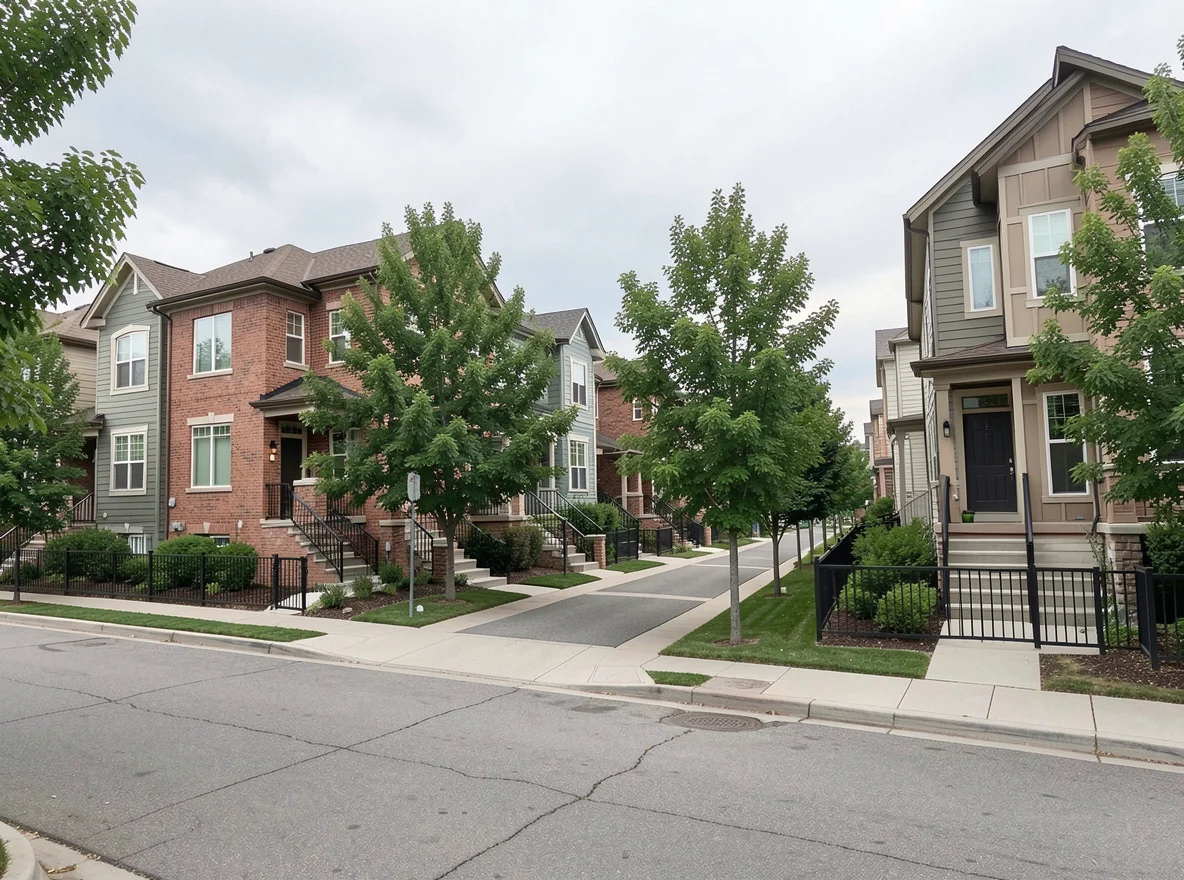
For a more useful view, compare recently sold properties with similar characteristics: location, square footage, condition, and property type. A renovated home and one needing substantial work may attract different offers even when their floor plans look alike. For condos, association fees and building amenities also affect what a buyer can afford and how one listing compares with another.
Pay attention to the geography behind any report. A metro-area figure covers a broader collection of communities than a Denver city figure, and a neighborhood-level comparison may tell a different story from either one. Check the reporting period, too: a monthly snapshot can be volatile, while a year-over-year comparison helps provide context for seasonal changes.
A rising or falling median sale price does not automatically mean an individual Denver home changed in value by the same percentage.
For current figures, consult a recent Denver Metro Association of Realtors market report or local multiple-listing-service data, and check which communities and property types the report includes. Michelle Scholz can help interpret the numbers alongside recent comparable sales relevant to your search or property.
What Inventory Reveals About Competition
Active inventory is the number of homes available for sale at a particular point in time. More choices can give buyers room to compare condition, features, and pricing; fewer comparable options can make a well-positioned listing stand out. Neither situation guarantees a particular outcome, so look closely at the homes competing in your price range rather than relying on a marketwide count.
Months of inventory adds another dimension by comparing the available supply with the recent pace of sales. It is a useful indicator of the balance between listings and demand, but it is still a snapshot. Different property types and price points can move at different speeds, and a small sample can make local figures swing from month to month.
New listings, pending sales, and days on market round out the picture. A property that goes under contract quickly suggests a different negotiating environment from one that has been available for weeks. Even then, ask why: condition, pricing, financing issues, and a previous contract that fell through can all affect the timeline.
When reviewing listings online, notice price changes and how long comparable homes remain available. Online history is a starting point, not a substitute for checking current status and the details behind a listing. An agent can help you distinguish a meaningful pattern from a handful of unusual properties.
A Buyer’s Plan for Reading the Market
Before deciding when to make an offer, connect the market data to your monthly budget. Ask a lender for an up-to-date estimate that includes principal, interest, property taxes, insurance, and any applicable association fees. Mortgage rates and loan terms change, so an attractive asking price does not necessarily translate to an affordable monthly payment.

Then decide which features matter most and where you have flexibility. A home’s condition, access to parks or dining, proximity to daily destinations, and expected maintenance costs can be as important as its list price. If schools are part of your research, verify attendance boundaries and enrollment information directly with the relevant district; boundaries and policies can change.
Touring more than one comparable property helps put the numbers in context. Note the condition of major systems, the amount of work you would want to do, and how each home compares with recent sales. An inspection can uncover issues that may affect your decision, though the terms and timing of an inspection depend on the contract.
Compare the monthly payment and likely ownership costs—not just the asking price—when weighing two Denver homes.
Use the pace of comparable sales to shape your offer strategy. A home with limited competition may leave room to discuss price, repairs, closing costs, or timing. A recently listed property receiving strong interest may call for a different approach. In either case, decide on your limits in advance rather than assuming that every listing will follow the same pattern.
A Seller’s Plan for Pricing and Preparation
For sellers, the most useful comparison is not simply what a nearby home listed for, but what a similar property actually sold for and under what conditions. Review recent closed sales alongside active listings and pending properties. Closed sales show completed transactions; active listings show the alternatives a buyer can consider now.
A pricing conversation should account for condition, updates, layout, and competition. If several similar homes are available, buyers may compare them closely. If comparable options are limited, presentation and accurate pricing still matter: an ambitious list price can discourage showings or lead to a later adjustment. A local market analysis can help establish a range without promising a particular sale price.
Preparation can be practical rather than elaborate. Address obvious maintenance issues, clean thoroughly, improve lighting where needed, and consider which repairs are worth completing before listing. Discuss potential improvements with your agent before spending; not every project will return its cost, and the right priorities depend on the property and current competition.
Timing Your Next Move
Seasonal patterns can shape the number of listings and the pace of activity, but they are not guarantees. July can offer opportunities to view homes and move in warmer weather; the choices available and the financing terms you receive will depend on current conditions. Compare the latest local data with the same period in prior years, then revisit it as you get closer to acting.
For buyers, the right time depends on available homes, financing, and readiness to handle ongoing costs. For sellers, it depends on preparation, competing inventory, and your plans after a sale. A conversation with Michelle Scholz can help you bring those pieces together and make a plan grounded in the Denver properties that matter to you.