

A Charlotte condo may cost less to maintain personally, while a house may offer more control over the property. Neither automatically delivers a better return: the answer depends on the purchase price, financing, rental rules, ongoing expenses, and eventual sale. Here’s how to compare both options before you make an offer.
Start with the full cost of ownership
A purchase price is only the beginning of an investment comparison. Whether you plan to live in your Charlotte property or rent it out, the more useful question is what you will pay to acquire, own, and eventually sell it—and what you might reasonably receive in return.

For both property types, include the down payment, lender charges, inspections, and other closing costs in your initial budget. Then estimate monthly principal and interest, property taxes, insurance, utilities you expect to pay, and any association dues. Ask your lender for a property-specific estimate rather than relying on a mortgage calculator alone.
A condo association fee may cover some shared expenses, such as common-area upkeep or building insurance, but coverage varies. You will still need to understand what the association insures and what your own policy must cover. A house may have lower or no association dues, yet its owner typically pays directly for exterior maintenance, landscaping, and major systems.
Neither approach eliminates repair risk. With a condo, an unexpected assessment can add to your costs if the association needs money for a major project. With a house, a roof, heating and cooling system, or other large repair can arrive on your own schedule—and your own bill.
A lower purchase price does not necessarily mean a lower monthly cost. Compare association dues and insurance alongside the mortgage payment before deciding which property is more affordable.
Look closely at rental potential
If rental income is part of your plan, investigate the rules before calculating a return. A condo association may limit leases, require a minimum lease term, cap the number of rented units, or require approval. A house in an association may have restrictions too. Obtain the current governing documents and confirm whether your intended use is permitted.
Also check applicable local rules, insurance requirements, and lender terms for the rental arrangement you are considering. A property that works as a long-term rental is not automatically suitable for a short-term rental. Ask the appropriate association, local authorities, insurer, and lender about the specific property rather than assuming a listing’s description settles the question.
Next, estimate rent using comparable, recently leased properties with similar size, condition, location, and amenities. Allow for periods without a tenant, leasing costs, maintenance, and property management if you will use a manager. For a house, include routine exterior work; for a condo, account for dues and any owner responsibilities not covered by the association.
Features that can influence rental appeal include parking, outdoor space, access to transit, and proximity to dining, recreation, or other destinations. Their value varies by property and renter, so compare real alternatives rather than assuming either a condo or a house will always be easier to lease.
Compare cash flow with a simple example
Suppose a hypothetical property rents for $2,000 per month. If you set aside $100 for vacancy and pay an average of $1,100 for the mortgage, $250 for taxes and insurance, and $200 for dues and other operating expenses, the estimated monthly cash flow is $350 before income taxes and major unexpected repairs.
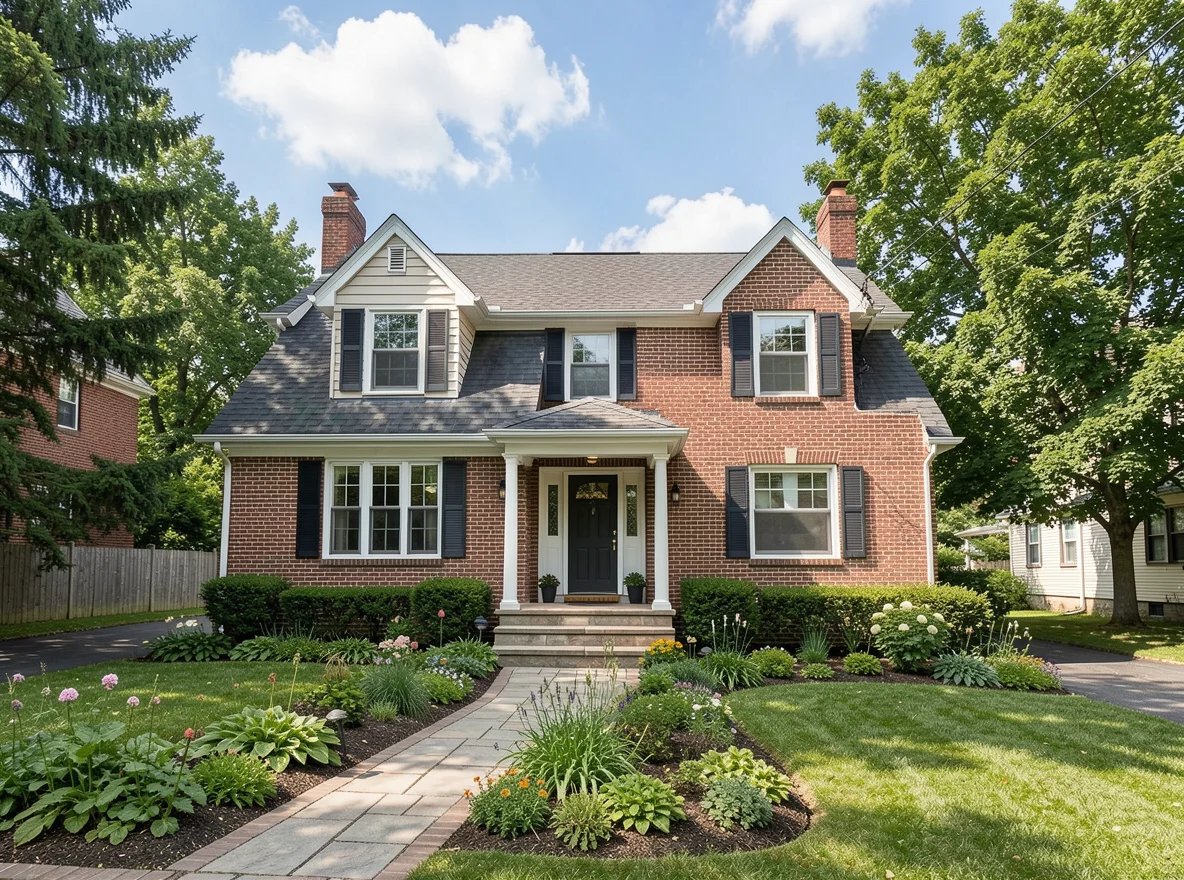
This example is a calculation, not a Charlotte rent or expense forecast. A different interest rate, insurance quote, association fee, or repair allowance can change the result substantially. If you expect to hire a manager or pay utilities, include those costs too; do not treat the remaining $350 as guaranteed profit.
To estimate an annual cash-on-cash return, divide the projected annual cash flow by the cash invested to acquire the property. If the example produced $4,200 a year and required $70,000 in down payment and purchase costs, the estimated return would be 6% before income taxes and unexpected costs. Run the same calculation for each property using consistent assumptions.
Cash flow is only one part of the picture. Mortgage principal payments can build equity, and a property’s value may rise or fall. Neither appreciation nor future rent increases are guaranteed, so test a less favorable scenario as well as your preferred one. If a modest repair or vacancy would strain your budget, revisit the numbers.
A rental restriction can matter as much as the projected rent. Review the current association documents before treating a condo—or an association-managed house—as an income property.
Consider maintenance, resale, and flexibility
A condo can make shared exterior upkeep less hands-on, but owners have less individual control over association decisions. Review the budget, reserve information, meeting minutes, and any known upcoming projects when available. Ask about pending assessments and recent changes in dues, and have your insurance professional explain any coverage gaps.
A detached house generally gives its owner more direct control over repairs and improvements, subject to applicable rules and permits. That flexibility comes with the responsibility to plan and pay for the work. An inspection can help identify immediate concerns, while a separate reserve for future replacements can make your ownership estimate more realistic.
For resale, compare recent sales of similar properties rather than assuming one category appreciates faster. A condo’s condition, association finances, financing eligibility, and competing inventory can affect its marketability. For a house, condition, lot characteristics, and the cost of needed updates may shape a buyer’s offer. Actual results will depend on the property and market when you sell.
If you expect to live in the property, include the value of its practical features in your decision. A convenient layout, manageable upkeep, or access to places you visit may matter even if it does not appear in an ROI formula. Remember that selling costs and the length of ownership can significantly affect the financial outcome.
Choose the property that fits your numbers
Build a side-by-side worksheet for a Charlotte condo and a comparable house: purchase costs, monthly expenses, realistic rent if applicable, maintenance reserves, and estimated selling costs. Then ask your lender, insurance professional, tax adviser, and real estate agent to help you verify the assumptions that matter most. The better purchase is the one whose risks, expenses, and potential returns make sense for your plans—not simply the one with the lower asking price.