
Buying a rental property in Sherrill Ford is not just about finding an attractive home at the right price. Strong ROI usually comes from a careful comparison of expenses, local demand patterns, financing terms, condition, and the property's ability to stay competitive over time. When you look beyond the listing photos and run the numbers line by line, it becomes much easier to spot which opportunities have staying power.
Look Past Price and Start With True Income Potential
A lower purchase price can look appealing at first glance, but return on investment depends on what the property can realistically produce after costs. In Sherrill Ford, that means comparing more than list price and bedroom count. Buyers should estimate monthly rent based on current local competition, property condition, lot size, updates, parking, storage, and any water access or nearby recreation that may influence demand. A property that costs a bit more upfront may still deliver a stronger return if it rents faster, attracts longer stays, or requires fewer immediate repairs.
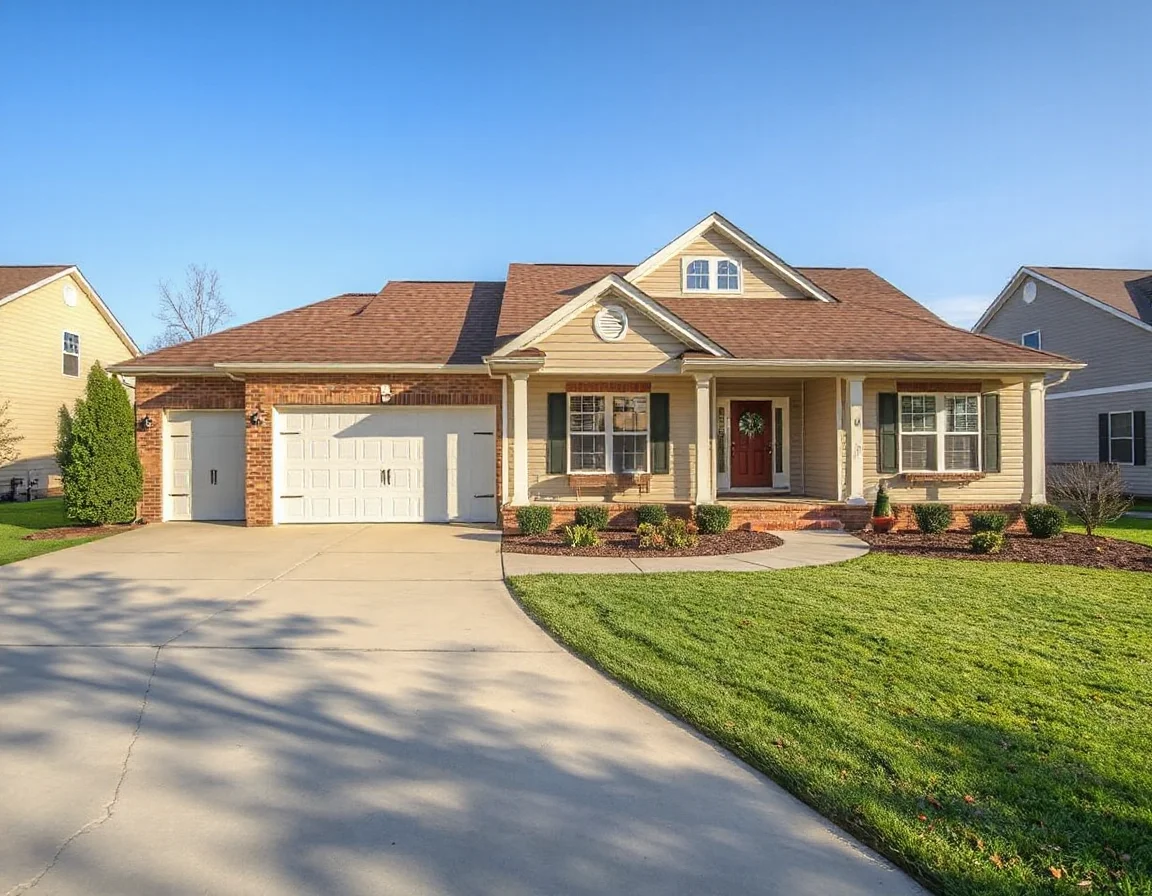
It also helps to separate gross rent from net operating income. Gross rent is simply the top-line number, while net operating income reflects what remains after routine operating expenses such as taxes, insurance, maintenance, vacancy, and management. That distinction matters because two homes with similar rent potential can perform very differently once ownership costs are added in. A house with aging systems or a difficult floor plan may look similar online but produce weaker long-term results.
A rental that looks “cheaper” on paper can underperform quickly if deferred maintenance, vacancy, or higher insurance costs erase the gap in purchase price.
Another smart step is to compare the property against multiple hold strategies. Would it function best as a long-term rental, or does its layout and location suggest a different demand pattern? Even if your plan is straightforward, testing a few realistic scenarios helps reveal how sensitive your returns are to rent changes, repair surprises, or a temporary slowdown in leasing activity.
Expenses Often Decide Whether the Deal Works
Operating costs are where many first-time investors underestimate the real picture. Property taxes, hazard insurance, HOA dues if applicable, lawn care, turnover cleaning, pest control, appliance replacement, and reserve funds for larger systems should all be part of your comparison. In a market like Sherrill Ford, where homes may range from newer construction to older properties with more upkeep needs, maintenance exposure can vary widely from one address to the next.
A useful method is to review each property with a repair-and-replacement lens. How old is the roof? What is the age of the HVAC system? Are plumbing or electrical updates likely in the near future? Is the driveway in good condition? Does the exterior require regular painting or siding work? A home with major systems already updated may offer a smoother path to stable returns, even if the asking price is not the lowest in your shortlist.
Vacancy is another expense category that deserves realistic treatment. Investors sometimes assume immediate occupancy at the target rent, but actual performance depends on pricing accuracy, property presentation, seasonality, and competition. Building in a vacancy allowance keeps your analysis grounded and can prevent overestimating monthly cash flow.
Talk through rental property numbers
Location Value Comes From Access, Convenience, and Competition
Location still matters, but the most useful way to evaluate it is through objective, measurable factors. In Sherrill Ford, buyers can compare proximity to Lake Norman access points, commuting routes, retail and service corridors, outdoor recreation, and everyday conveniences. Properties with efficient access to roads, errands, and recreation often have broader appeal in the rental market because they support a range of living patterns without relying on one narrow renter profile.

It is also worth studying nearby inventory. If several rentals in the same area offer newer finishes, more usable outdoor space, or flexible room layouts at similar rates, your subject property may face pressure on both rent and time on market. By contrast, a home that stands out for condition, storage, parking, or setting may perform better even when the broader market softens.
Watch for features that improve durability as an investment. Functional layouts, easy-to-maintain surfaces, practical kitchens, and neutral finishes can reduce turnover friction and repair costs. In many cases, steady occupancy comes from a property being convenient and well-kept, not flashy.
When comparing two similar homes, the one with easier maintenance and better day-to-day access often wins on ROI over the one with more cosmetic appeal.
Buyers should also evaluate whether the surrounding area is seeing ongoing development, infrastructure improvements, or shifts in housing supply. New construction can support market interest, but it can also increase rental competition. Understanding that balance helps you judge whether future rent growth is likely to be supported or capped by nearby alternatives.
Financing Terms Can Change the Return More Than Expected
Even a strong property can underperform if the financing structure is too aggressive. Interest rate, down payment, loan fees, reserves, and the type of financing all affect your monthly carrying cost. When you compare rental properties, it makes sense to hold your financing assumptions consistent so you can see which home performs better on its own merits rather than because of a different spreadsheet setup.
Stress-testing the numbers is especially helpful. Try running your analysis with a slightly higher interest rate, a modest rent dip, or a larger maintenance reserve. If the deal still works, you may be looking at a property with stronger resilience. If returns disappear under minor pressure, the margin may be too thin.
Cash-on-cash return is another useful metric because it reflects how efficiently your invested capital is working. A property with excellent appreciation potential may still offer weak short-term cash flow, while another may provide steadier monthly performance. Neither is automatically better; the right fit depends on your investment goals, timeline, and tolerance for variability.
Compare financing options before you buy
Condition, Layout, and Rent-Readiness Matter More Than Cosmetic Trends
Some of the best rental comparisons come down to how quickly a property can be placed into service. If one home needs flooring, paint, appliance replacement, and bathroom work before it can command market rent, your initial capital outlay may be much higher than expected. Another property with a simpler finish package but solid systems and immediate rent-readiness may generate income sooner and with fewer surprises.
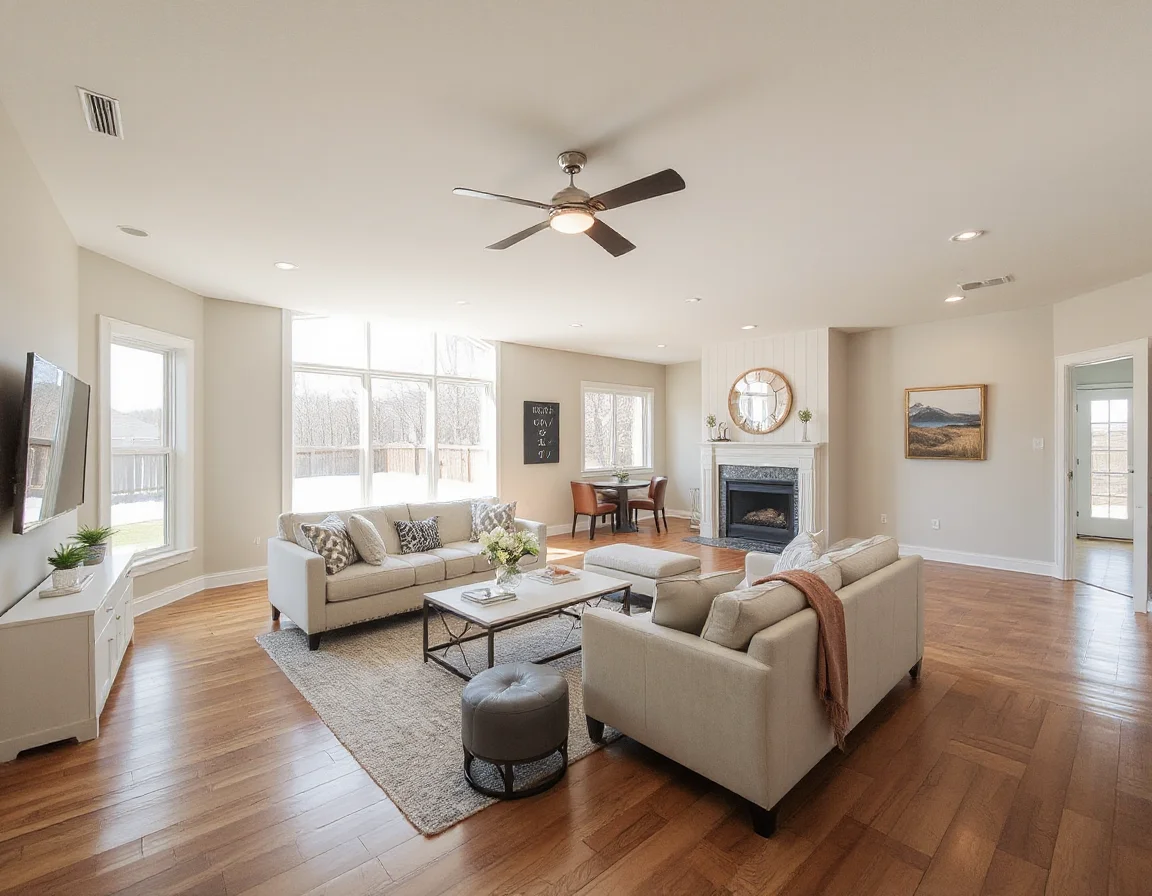
Layout deserves close attention too. Flexible living space, usable bedrooms, adequate storage, and practical traffic flow can influence leasing performance and reduce future renovation needs. Outdoor features also matter when they are easy to maintain and clearly usable, such as a manageable yard, patio area, or straightforward parking setup.
As you compare options, think in terms of durability. Hard-surface flooring, low-maintenance landscaping, updated windows, and dependable mechanical systems may not create dramatic listing photos, but they often support better ownership economics. A rental property should be evaluated as an income-producing asset first and a design project second.
In the end, the strongest ROI opportunity in Sherrill Ford is usually the one where purchase price, operating costs, condition, financing, and local demand align in a realistic way. Careful comparison can help you avoid properties that only look good at a glance and focus instead on the ones that can perform consistently over time.