
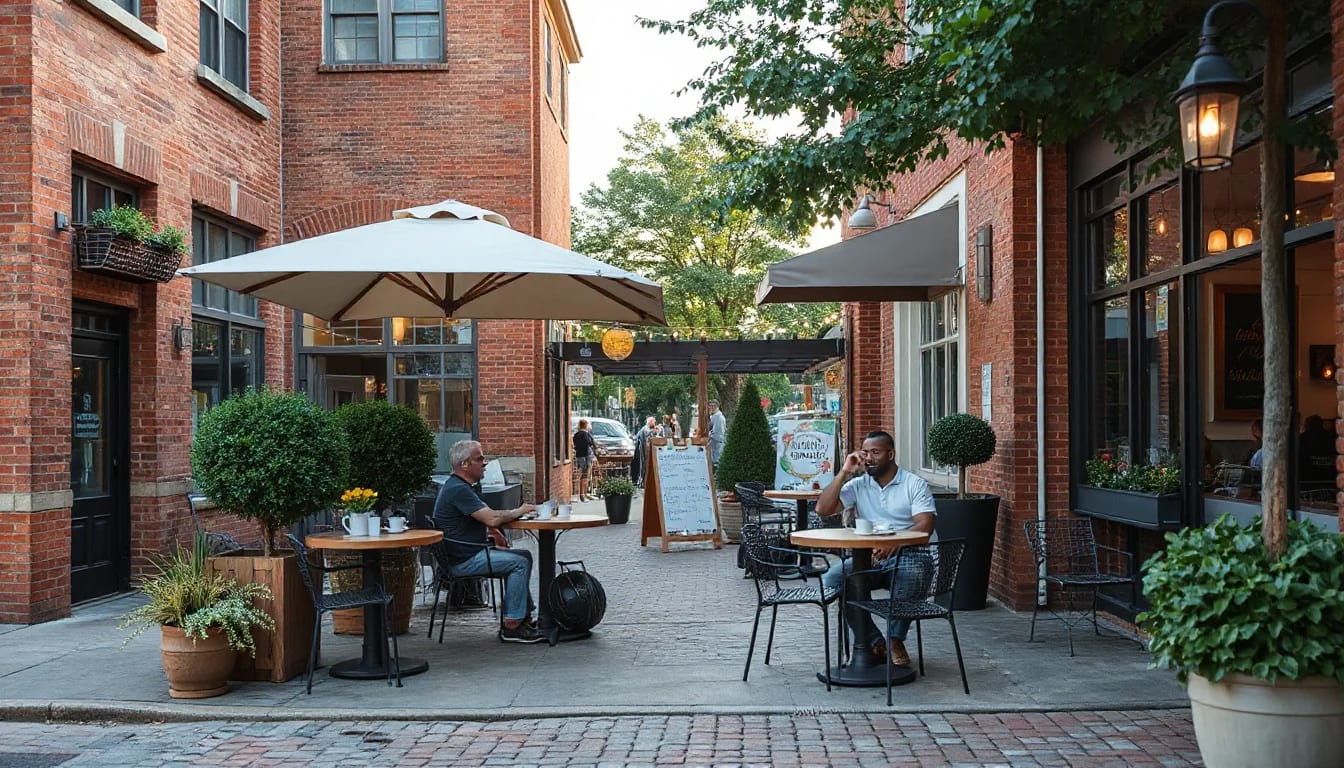
A move feels easier when you can picture daily life beyond the front door, and Huntersville offers plenty to explore on that front. From greenway access and public parks to casual dining spots and lake-adjacent recreation, this area gives home buyers practical ways to evaluate how a neighborhood fits their routine. If you are comparing locations, these local features can help turn a map search into a clearer decision.
How parks and greenways help you read a market
When people start researching a move, square footage and price usually lead the conversation. But once the short list gets serious, the questions often shift: Where can you walk after work? How close is outdoor space for a weekend break? Is there a mix of everyday dining, errands, and recreation nearby? In Huntersville, those quality-of-life details are part of what makes the area easy to understand for buyers looking at the north side of the Charlotte region.
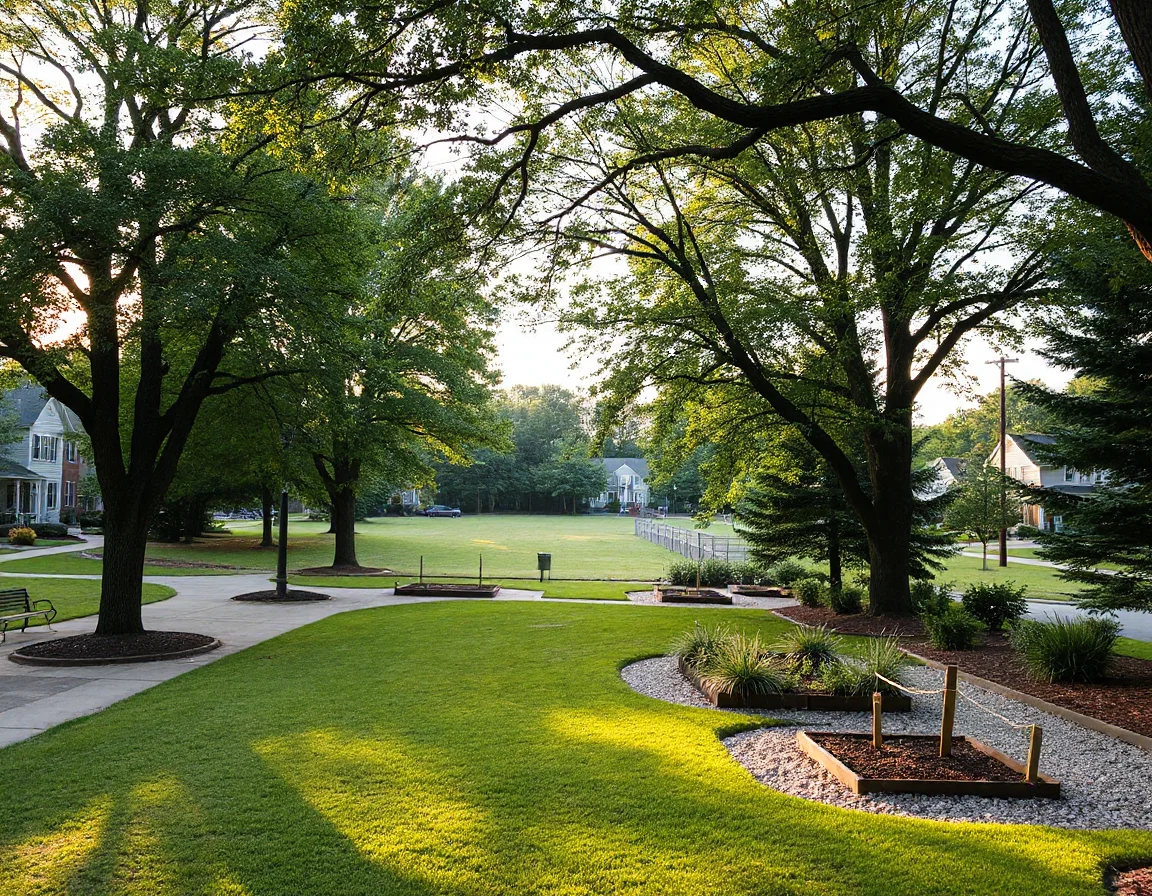
One of the strongest advantages here is the balance between residential development and access to outdoor amenities. Huntersville has parks ranging from athletic complexes and playgrounds to quieter green spaces with trails and picnic areas. The nearby presence of Lake Norman also expands the outdoor picture, giving residents access to waterfront views, boat launches in the broader area, and a different pace from a purely urban setting.
Greenways matter for more than exercise. They help connect neighborhoods to public space, create routes for walking and biking, and add breathing room to the built environment. For buyers touring homes, proximity to a maintained trail or park can shape how often they actually use the area around them. A house may look great online, but a nearby greenway can make the location feel more livable during the week, not just on move-in day.
If two homes feel evenly matched on paper, nearby trail access and park maintenance can be a useful tiebreaker because those features affect everyday convenience long after closing.
A closer look at outdoor options in Huntersville
Huntersville gives buyers a useful range of recreation choices without requiring every outing to become a major plan. Larger community parks offer fields, courts, and event space, while smaller parks provide quick access to walking loops, shade, and open lawn. That flexibility is valuable because real life is a mix of long weekends and short windows of free time. Sometimes the best amenity is simply a well-kept place to step outside for half an hour.
For those who enjoy exploring beyond a single park, the local greenway network and nearby lake-oriented recreation broaden the experience. Depending on where you live in or around Huntersville, a Saturday can include a trail walk in the morning and time near the water later in the day. That layered lifestyle is part of the area’s appeal: it supports routines that can be active, low-key, or somewhere in between.
Outdoor amenities also influence how neighborhoods feel across seasons. Mature trees, preserved open space, and visible trail systems can soften traffic patterns and create a stronger sense of place. These are not abstract details. When touring a home, notice how the streets connect to nearby parks, whether sidewalks are continuous, and how quickly you can reach a public space without a long drive.
Local dining adds another layer to the move
Dining options may seem secondary compared with budget, commute, and property condition, but they often shape how comfortable a place feels once the boxes are unpacked. Huntersville offers a mix of casual dining, coffee stops, familiar favorites, and locally known gathering spots spread across commercial corridors and mixed-use areas. The result is a dining scene that supports both convenience and variety.
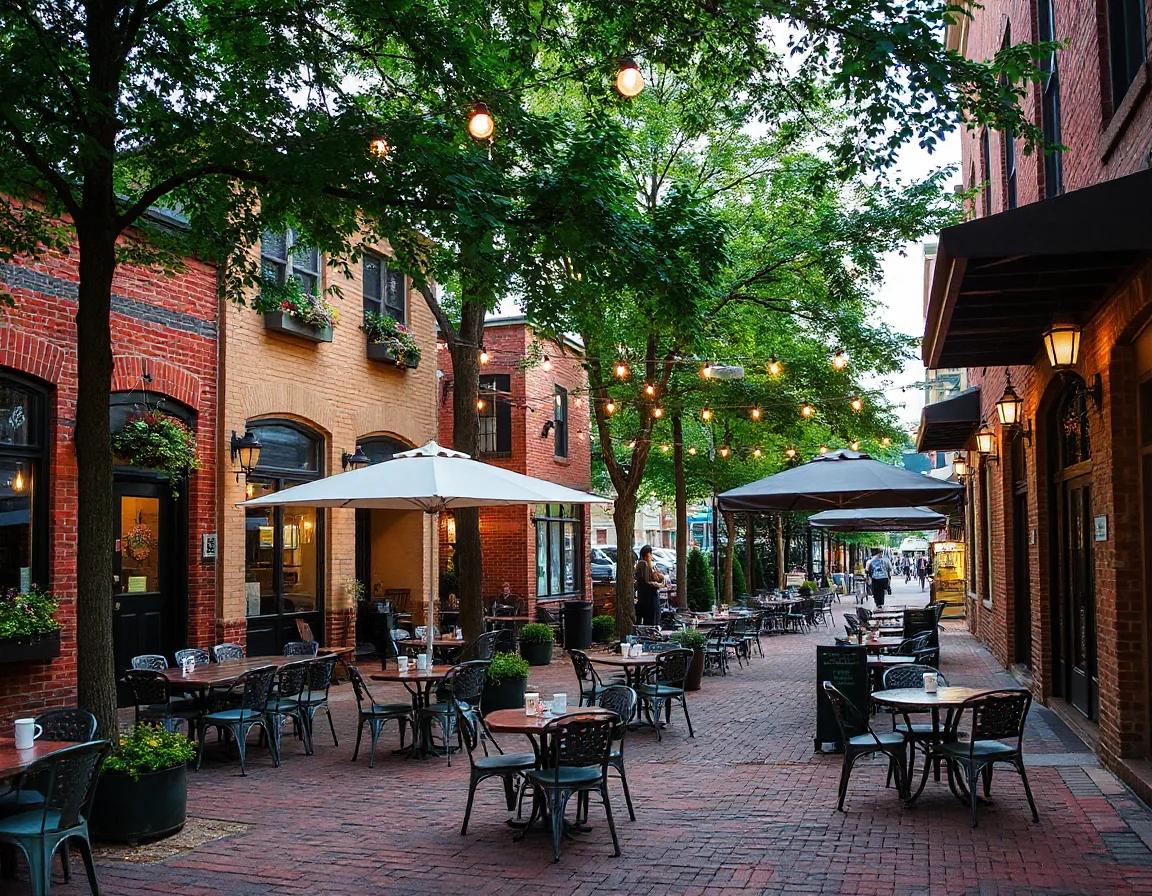
That variety matters during a move because daily routines are built on repeatable choices. It helps to have nearby places for a quick lunch, an easy takeout night, or a relaxed weekend meal without driving far across the metro. Buyers often discover that the neighborhoods they revisit most are the ones where errands, dining, and outdoor time connect naturally rather than feeling scattered.
Another advantage is that dining activity can signal how an area functions throughout the week. Busy patio zones, active mixed-use nodes, and well-trafficked retail centers suggest a place where people regularly spend time, not just pass through. For someone evaluating a move, that can provide context that listing photos never capture. A neighborhood should be measured not only by the homes in it, but by how well nearby amenities support ordinary life.
Try visiting at two different times of day. A neighborhood that feels convenient on a weekday evening and comfortable on a weekend morning often gives a more complete picture than a single showing.
As you explore, look for how dining relates to the rest of the area. Are there sidewalks from nearby neighborhoods? Is parking manageable? Can you combine a meal with a stop at a park, a trail, or another everyday destination? In Huntersville, that combination of practical convenience and recreation is often where the location starts to make sense.
What this means when comparing homes
It is easy to focus too tightly on the property itself, especially in a competitive market. Yet buyers who zoom out often make stronger decisions. A home’s surroundings influence how frequently you enjoy the location, how much driving your routine requires, and how easy it is to access the things you value most. Huntersville stands out because it offers multiple layers at once: neighborhood parks, greenways, commercial hubs, and proximity to regional attractions.
That does not mean every part of the area feels identical. Some locations may place you closer to shopping and dining, while others give quicker access to quieter streets or lake-oriented recreation. The right fit depends on what you want your week to look like. A smart search includes not only bedroom count and lot size, but also drive times, trail access, nearby public space, and how connected the location feels to the destinations you will actually use.
If you are narrowing your options, spend time driving the routes between homes and the places you would visit regularly. Stop at a park. Walk a short trail segment. Pick up coffee or lunch nearby. Those simple steps can reveal whether a property fits your lifestyle in a practical way, which is often the difference between a house that merely checks boxes and one that feels right.
Talk about your Huntersville move
The bottom line on moving to Huntersville
Huntersville offers more than a convenient address on a map. Its appeal comes from the way parks, greenways, dining, and recreation work together to support daily living. For buyers considering a move, those features can make the search more tangible and help clarify which locations deserve a closer look.
When you evaluate the area through both property details and neighborhood experience, you get a more complete picture of what living there may actually feel like. That is the real value of exploring local parks, trails, and dining before you buy: it turns a home search into a decision grounded in place, rhythm, and long-term comfort.