

Reading rental listings before beginning a home search can sharpen your budget, clarify the features you actually use, and help you compare the ongoing costs of renting and owning. A few weeks of careful observation can turn a vague wish list into a practical plan for a first purchase.
Use Rentals as a Real-World Research Tool
Buying a first home often starts with a list of ideas: more space, a different layout, a shorter trip to daily destinations, or a place that feels more permanent. Before moving straight into purchase listings, spend some time reading current rental listings in the areas you are considering. Rentals provide a useful, real-time snapshot of what different budgets deliver today, from square footage and parking arrangements to utility responsibilities, building amenities, and access to outdoor space.
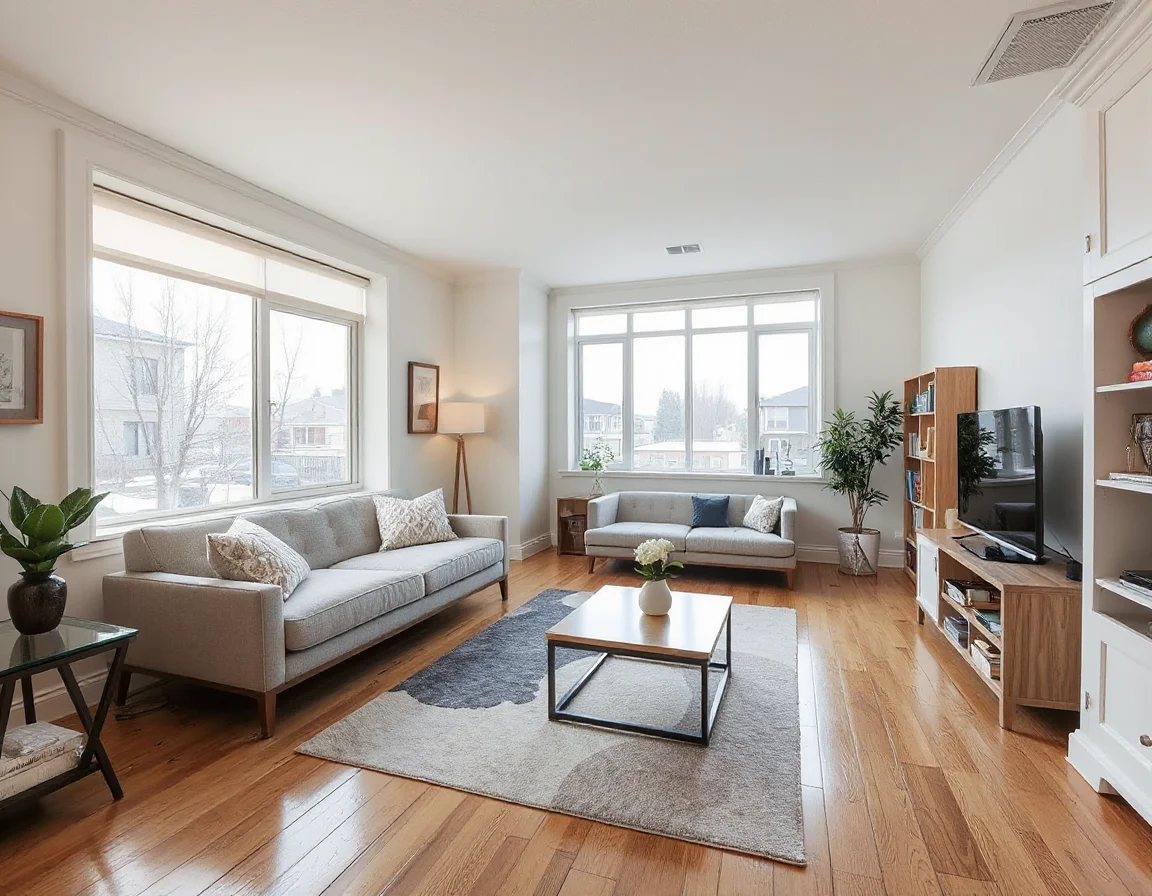
Approach each listing like a mini case study. Note the monthly rent, deposit requirements, lease length, included utilities, pet policies, parking details, laundry setup, and any recurring fees. A rental with a lower advertised rent may have higher utility costs or separate charges for parking and services. Likewise, a rental with a higher monthly price may include features that would cost extra elsewhere. This exercise helps build the habit of looking beyond the headline number—a valuable skill when comparing mortgage payments, property taxes, insurance, association fees, maintenance, and repairs.
Rental listings can also reveal how your priorities rank when real trade-offs appear. A larger kitchen may matter more than an extra bedroom. A dedicated workspace may prove more useful than a formal dining area. Perhaps you find that being near a trail, library, grocery option, or transit connection changes your day-to-day routine more than a particular architectural style. There is no universal “right” list; the goal is to understand which features are worth paying for in your own housing plan.
Save five to ten rental listings that genuinely appeal to you, then write down the three features they share. That short list often becomes a more useful home-search guide than a long collection of “nice to have” ideas.
Pay attention to condition as well. Listing photos can show whether updated systems, natural light, storage, flooring, outdoor areas, and room flow affect your comfort with a space. If a rental feels less functional than expected on paper, ask what caused the mismatch. That answer can help you avoid overvaluing a feature in a future purchase listing simply because it photographs well.
Browse current rental listings
Turn Monthly Rent Comparisons Into an Ownership Budget
Rental research is most helpful when it leads to a fuller understanding of monthly housing costs. Rent is generally a single predictable payment, though utilities and renter’s insurance may be separate. Homeownership combines a mortgage payment with property taxes, homeowners insurance, possible association dues, utilities, routine upkeep, and occasional larger repairs. Comparing these categories side by side can make a future purchase budget feel more concrete.

A useful starting point is to compare the rent of properties you would realistically consider with an estimated ownership payment for a similar type of home. Include the projected principal and interest, taxes, insurance, and any applicable association fee. Then leave room in the plan for maintenance and repairs. The exact amount depends on a home’s age, condition, systems, lot, and local service costs, but setting aside funds regularly can make future maintenance less disruptive.
It is also smart to separate the amount a lender may approve from the amount that supports your broader financial goals. A purchase budget should leave room for savings, transportation, food, health care, education, travel, hobbies, and the unexpected. Reading rentals gives you a grounded reference point: you can see what your current or prospective monthly housing payment buys in the market, then decide where ownership may add value for you.
Do not overlook move-in costs. Renters may need a deposit, first month’s rent, application charges, and moving expenses. Buyers may need a down payment, earnest money, inspection costs, appraisal-related costs, closing costs, movers, immediate improvements, and new household items. Some costs are one-time expenses while others recur every month or year. A written comparison makes these distinctions easier to see.
A comfortable ownership budget is not just a qualifying number. It is a monthly plan that leaves room for the home’s care and for the rest of your life.
Mortgage conversations can provide useful estimates, but they work best after you have identified a payment range that feels sustainable. Bring notes from your rental research to that discussion. Being able to say, “These are the layouts and monthly costs I am comparing,” gives a lender and real estate professional more context for helping you evaluate options.
Learn how to choose a mortgage lender
Learn What a Location Changes in Daily Life
Listings are also a practical way to explore locations without making assumptions based on a map alone. Review how homes and rentals describe proximity to parks, transit routes, major roads, medical services, libraries, recreation facilities, dining, and everyday errands. Then visit public areas at different times when possible. Notice travel times, street activity, parking conditions, noise levels, light, terrain, and the general maintenance of the buildings you are considering.
For a first purchase, this research can help distinguish a location preference from a property preference. You may discover that you would rather have a smaller home near the amenities you use frequently, or that more interior and outdoor space matters enough to expand your search radius. Neither approach is better; it is a question of matching a property’s ongoing responsibilities and location features to your priorities.
When comparing listings, keep a simple scorecard. Rate each one for layout, storage, condition, transportation, outdoor space, monthly cost, and features that matter specifically to you. Add a notes column for questions that listings do not answer, such as roof age, heating source, association rules, parking arrangements, or expected maintenance. Over time, patterns become clear, and your search becomes faster because you know what deserves a closer look.
Move From Browsing to a Focused First-Home Search
Rental listings are not a replacement for a home search; they are preparation for one. Once you understand current rental options, recurring housing costs, and your non-negotiable features, you can begin reviewing purchase listings with more confidence. A clear plan can help you recognize a strong fit without feeling pressured to chase every new listing.
Keep your criteria flexible enough to account for market conditions, inspection findings, and the realities of different property types. A condominium, townhome, and detached home can offer very different maintenance responsibilities and monthly expense structures. Ask informed questions, review disclosures carefully, and take time to understand the full cost of any property that interests you.
Michelle Scholz can help you translate your rental research into a practical buying strategy—one based on your budget, preferred features, and the way you want a home to function day to day. The more intentional your early research is, the more prepared you will be to make a thoughtful first-home decision.