
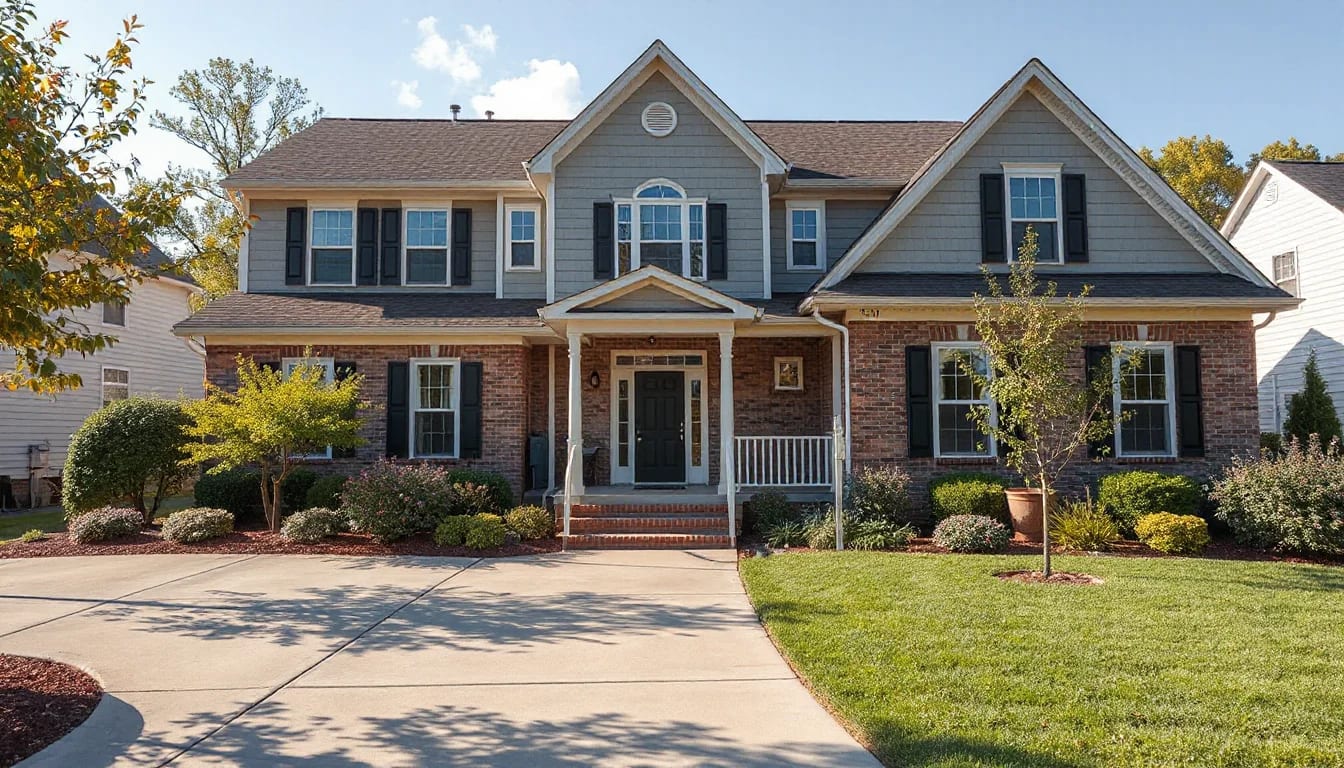
A home that seems like a strong future rental may look very different once financing, HOA rules, repair needs, and realistic operating costs are added to the equation. Huntersville buyers can make a more confident purchase by evaluating the property as both a place to own and a potential income-producing asset before writing an offer. The goal is not to predict every future market shift, but to build a clear, conservative plan around the numbers and restrictions that exist today.
Start With the Property’s Rental Math
Rental potential begins with a realistic monthly estimate, not an optimistic online listing. Before purchasing in Huntersville, compare the home with recently advertised and recently leased properties that share meaningful characteristics: location, bedroom count, bathroom count, square footage, condition, parking, outdoor space, and included appliances. A renovated three-bedroom home near major routes may command a different rent than a similarly sized home with dated systems or a more limited layout.
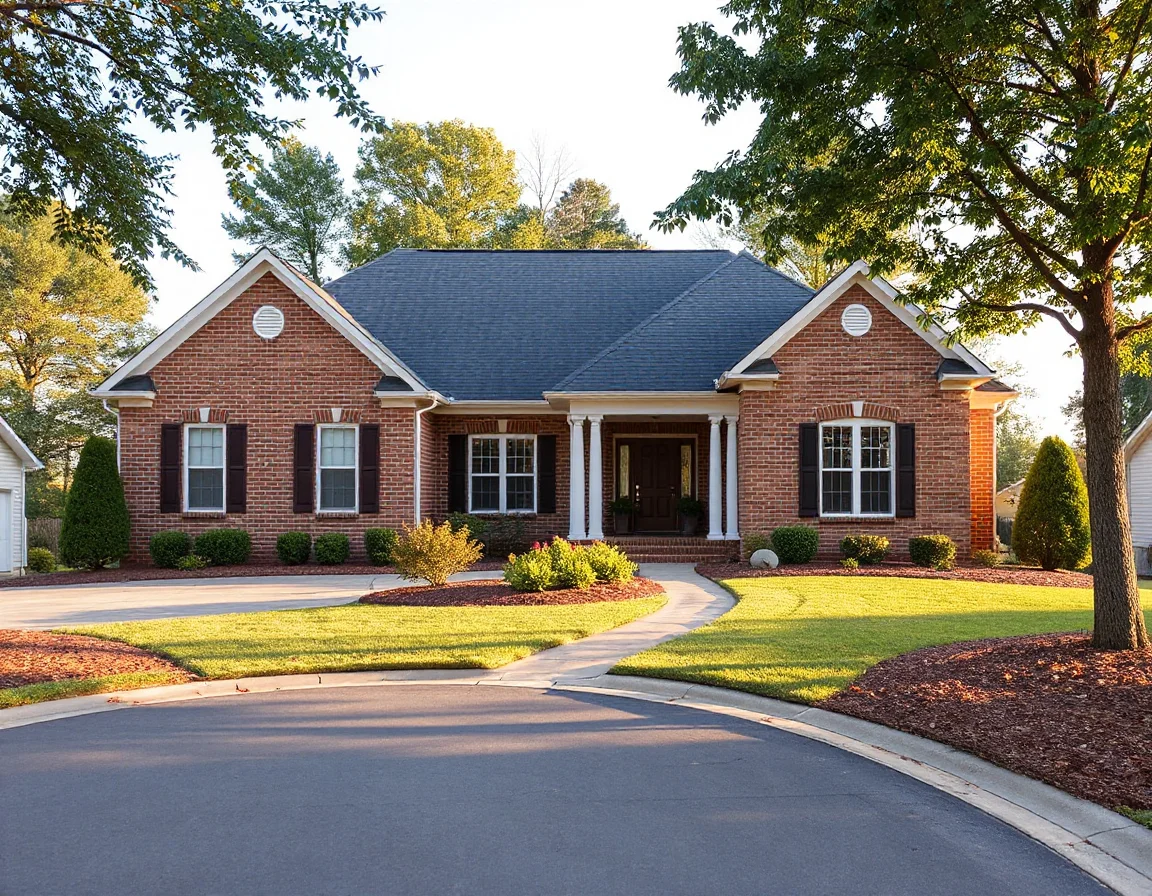
Once you have a likely rent range, subtract the costs that remain after closing. These can include principal and interest, property taxes, insurance, HOA dues, maintenance, utilities the owner may cover, lawn care, vacancy periods, leasing expenses, and property management if you plan to use it. A property does not need to produce a large immediate surplus to have a place in a long-term plan, but buyers should know whether they can comfortably carry the home if rent is lower than expected or the property sits vacant between leases.
It is also useful to separate gross rent from actual cash flow. Gross rent is simply the amount collected before expenses. Cash flow is what remains after the full ownership picture is considered. A home with appealing rent on paper can still create pressure if its payment, dues, and upkeep consume most of that income. Conservative estimates leave room for the ordinary surprises that come with owning real estate.
Use a rent range rather than one “best-case” number. Planning around the middle or lower end of a supported range gives your budget more room when market conditions or property expenses change.
For a clearer comparison, create a simple worksheet for every home you are considering. List the anticipated rent, monthly payment, annual tax and insurance estimate, association costs, a maintenance reserve, and a vacancy reserve. Reviewing the same categories for each property makes it easier to identify which homes offer durable potential rather than just an attractive asking price.
Review HOA, Lease, and Local Requirements Before You Offer
A property’s location can be a major asset, but community rules can shape whether it may be leased at all. Many Huntersville neighborhoods and condominium communities are governed by homeowners’ associations. Before moving forward, request the current declaration, bylaws, rules and regulations, leasing policy, budget, meeting minutes, and any pending special assessment information available through the seller or association.
Pay particular attention to rental caps, minimum lease terms, waiting periods for new owners, registration requirements, and rules related to parking, exterior maintenance, or pets. An association may allow leasing while still limiting the number of rented homes or requiring approval before a tenant moves in. Rules can change, so buyers should rely on current written documents rather than assumptions based on a neighbor’s experience.
North Carolina landlord-tenant requirements, fair housing obligations, insurance needs, and local ordinances are also important parts of the decision. A qualified real estate professional, attorney, property manager, lender, and insurance provider can each help clarify different pieces of the plan. Asking questions early is far easier than discovering a restriction after closing.
Financing deserves the same advance attention. Loan programs can have occupancy requirements, down-payment differences, reserve requirements, and pricing that varies depending on whether the home will be a primary residence, second home, or investment property. Be direct with your lender about your intended use and any possibility of future leasing so your financing strategy aligns with the purchase.
Learn how to choose a mortgage lender
Look Beyond the Listing Photos
Rental demand is influenced by daily convenience, condition, and functionality. In Huntersville, access to major employment corridors, Lake Norman recreation, greenways, parks, retail centers, medical services, and transportation routes can be useful points of comparison when evaluating location. Rather than treating any one amenity as a guarantee, consider how the property connects to the destinations residents commonly use throughout the week.

Then inspect the home through the lens of long-term ownership. A flexible floor plan, durable flooring, functional storage, off-street parking, energy-efficient systems, and a manageable yard may support broad renter interest and reduce future maintenance headaches. On the other hand, aging roofs, older HVAC equipment, drainage concerns, deferred exterior work, or unusual layouts can create expenses that need to be reflected in your offer price and reserve planning.
A thorough inspection is essential, particularly for buyers evaluating rental potential. Ask the inspector to explain not only urgent repairs but also likely replacement timelines for major systems. If the roof has limited remaining life or the water heater is near the end of its typical service window, plan for that expense instead of treating it as a remote possibility. Small maintenance needs can accumulate quickly once a home is occupied.
It can also help to visit at more than one time of day. Observe traffic flow, parking conditions, exterior lighting, drainage after rain when possible, and nearby construction activity. These observations are not a substitute for formal due diligence, but they can reveal practical details a listing photo cannot show.
Stress-Test the Plan Before Making an Offer
The strongest rental strategy can withstand a few ordinary disruptions. Try modeling several scenarios: rent at the lower end of your estimated range, one month without rent during a lease transition, an unexpected repair, or an increase in insurance premiums. If the home remains workable under those conditions, you have a more resilient plan than one built on perfect occupancy and no repairs.
Buyers should also avoid depending on future appreciation to rescue weak monthly numbers. Market values can rise, level off, or decline, and no one can guarantee a future sale price. A sound purchase decision considers your holding horizon, available savings, monthly obligations, and flexibility if your plans change. Rental income can be one component of a real estate strategy, but it should not be the only safety net.
Consider how long you may wish to own the property and what exit options could look like. Could you sell the home if your circumstances change? Would the home remain competitive among other available rentals if newer inventory comes online? Is there enough cash reserved for repairs and gaps in income? These questions can make the decision feel less like a gamble and more like a well-considered business choice.
A maintenance reserve is not a sign that you expect the property to fail. It is a practical way to protect your budget when routine repairs, appliance replacements, or turnover work eventually arrive.
Finally, keep documentation organized from the start. Save your comparable-rent research, HOA documents, inspection reports, insurance quotes, lender estimates, and contractor notes. Having the information in one place makes it easier to compare homes, negotiate thoughtfully, and revisit your assumptions as you move toward closing.
Choose a Home That Works for Your Full Plan
Evaluating rental potential before purchasing is ultimately about making the purchase fit your goals, not forcing a property to become an investment. The right home may offer solid rental fundamentals, manageable operating costs, and a location with lasting everyday appeal. It should also fit the way you plan to own it, whether you expect to occupy it now, hold it for the long term, or keep options open for a future transition.
Huntersville offers a varied mix of housing types, from townhomes and condominiums to established single-family homes and newer construction. Each category has different cost structures, rules, and maintenance considerations. Taking time to compare those details before an offer can help you focus on homes that support both your financial comfort and your future flexibility.
A careful review of rents, restrictions, condition, financing, and reserves will not eliminate every unknown. It will, however, replace assumptions with a practical framework for deciding whether a specific property deserves a place in your plans.