

Pricing a home well in Troutman is less about guessing high and more about finding the number that creates urgency, confidence, and competition. A smart launch price can increase showing activity in the first week, reduce time on market, and help sellers keep more leverage during negotiations. This guide breaks down how to balance comparable sales, current inventory, and buyer behavior so your list price works for you from day one.
Why pricing strategy matters more than wishful thinking
When a home hits the market, the first price buyers see becomes the benchmark against every other property they tour online and in person. In Troutman, where buyers may be comparing established neighborhoods, newer construction, and homes with varying lot sizes, that first impression can shape the entire listing trajectory. If the price is noticeably above market expectations, many buyers simply move on before scheduling a showing. If it is aligned with the market and supported by the home's condition and features, interest tends to build much faster.
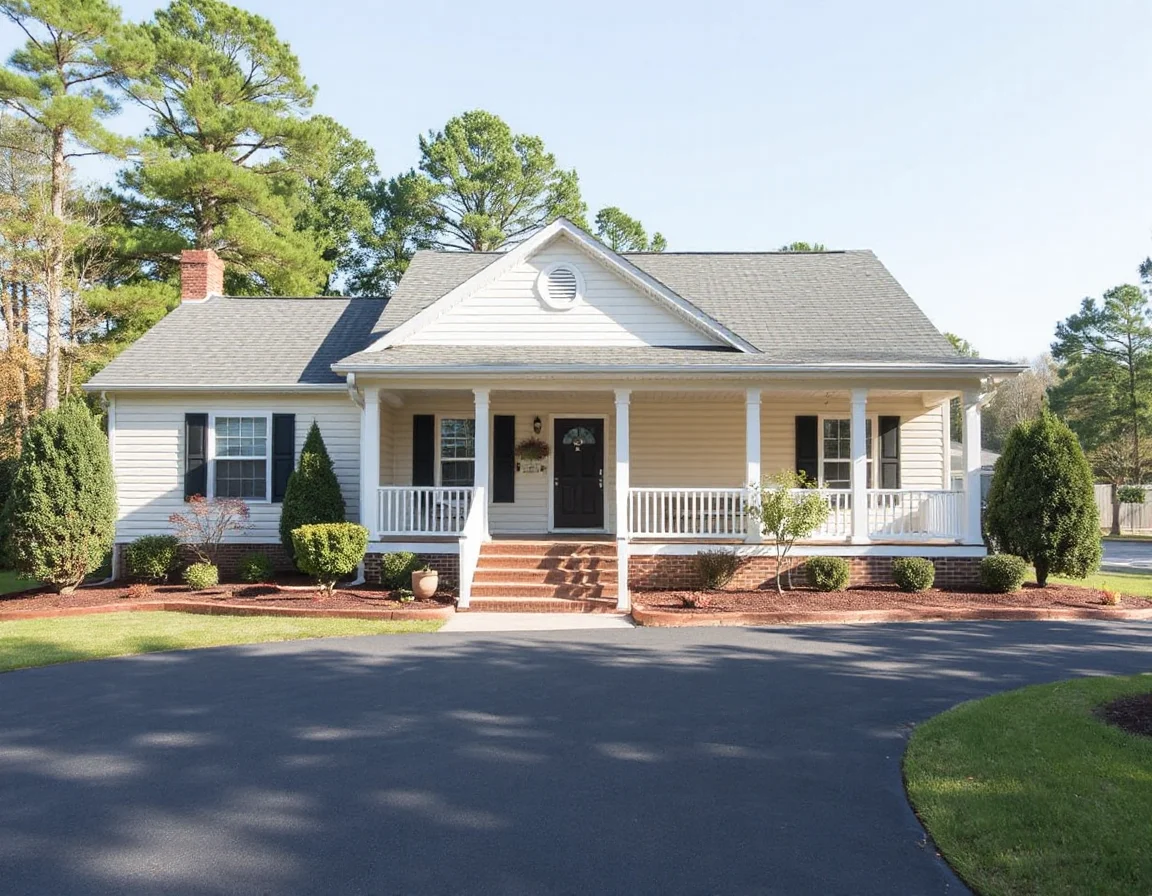
Many sellers start with a simple assumption: higher is better because there is always room to negotiate. In practice, an inflated asking price often reduces traffic, stretches the listing timeline, and can lead to price cuts that weaken negotiating power. Buyers watch for those reductions. A home that lingers can invite questions about condition, value, or seller flexibility, even when the property itself is attractive and well maintained.
The strongest pricing plans usually combine three things: recent comparable sales, active competition, and a realistic view of how buyers are behaving right now. That means looking beyond what a seller hopes to net and focusing on where the home fits in the current market. The goal is not just to list a property. The goal is to create enough interest that serious buyers feel motivated to act.
The first seven to ten days on market often bring the highest level of attention to a new listing. A price that feels compelling during that window can make a meaningful difference in showing volume and offer strength.
How to evaluate comparable sales the right way
A comparable sale is most useful when it closely matches the subject property in location, size, age, condition, and overall appeal. For a Troutman seller, that may mean comparing homes with similar square footage, lot characteristics, garage count, updates, and neighborhood setting. A sale from six months ago may still offer context, but the most persuasive comps are usually the most recent ones, especially in a changing market.
It is also important to separate sold prices from active listing prices. Sold homes show what buyers were actually willing to pay. Active listings show what current sellers are asking, which is not always the same thing. If several competing homes are sitting without activity, that can be a sign that those price points are too ambitious. In contrast, recently closed sales can reveal where demand has truly landed.

Adjustments matter, too. A remodeled kitchen, a larger usable yard, a screened porch, or a more functional floor plan can influence value. So can less visible details such as an older roof, dated flooring, or deferred maintenance. Accurate pricing requires honest adjustments rather than choosing only the highest nearby sale and assuming it applies across the board. The cleaner and more objective the comparison, the more credible the final list price becomes.
Another useful lens is the price bracket itself. Buyers often search in set ranges, so small changes can affect visibility. Listing at a number that appears in one more search bracket may expose the home to a broader pool of buyers. That kind of positioning can be especially helpful when inventory is competitive and online search behavior drives early interest.
A difference of even a few thousand dollars can change which saved searches a listing appears in. Strategic bracket pricing can increase exposure without dramatically changing the seller's bottom line.
What current Troutman competition can tell you
Pricing should reflect today's alternatives, not just yesterday's closings. If buyers in Troutman can choose between multiple homes with similar bedroom counts, updated finishes, and convenient access to local amenities, the market becomes more comparative. Your home does not need to be the cheapest option, but it should make sense next to the other choices a buyer can tour this week.
That is why active and pending listings are so helpful. Active listings show the competition. Pending listings hint at where buyers are engaging right now, even if the final sale price is not yet public. If homes with similar features are going pending quickly at certain price points, that can be a signal that demand is strongest there. If comparable homes are sitting, the pricing strategy may need to be sharper.
Presentation also influences how price is perceived. Clean photography, decluttering, touch-up work, and small repairs can improve buyer response and support a stronger launch number. On the other hand, a home that needs updates may still sell well when priced with those projects in mind. Strong pricing does not mean pretending every property is turnkey. It means aligning the price with the home's true market position.
How to price for leverage, not just attention
There is a difference between underpricing to create a rush and pricing intelligently to maximize leverage. A well-positioned price should generate solid interest while leaving room for the market to confirm value. In some conditions, that may mean pricing directly in line with recent comps. In others, it may mean listing slightly below the most obvious ceiling to encourage multiple showings and stronger offer terms.

Strong offers are not defined by price alone. Sellers often compare financing strength, due diligence terms, closing flexibility, repair requests, and timing. A listing that is priced to attract multiple serious buyers can improve a seller's ability to evaluate these terms from a position of control. That is often more valuable than starting high and negotiating downward with limited activity.
It also helps to plan ahead for possible market feedback. If showings are active but offers are not coming in, buyers may be signaling concerns about value, condition, or competition. If traffic is weak from the beginning, the issue is often the list price itself. Monitoring those signals early allows sellers to respond before momentum fades.
Talk through your pricing strategy
A smart launch sets the tone for the entire sale
The best pricing strategy is one that combines local data, realistic comparisons, and a clear understanding of how buyers shop. In Troutman, that means paying attention to recent sales, current inventory, online search ranges, and the specific strengths of the property being listed. It also means being honest about where the home stands relative to newer, updated, or more competitively priced options.
Sellers who approach pricing as a marketing decision rather than a guessing exercise are often better positioned from the start. A thoughtful price can drive stronger visibility, more showings, and better negotiating conditions without unnecessary delays. When the number is right, the home has a better chance to stand out for the reasons that matter most: value, condition, and fit within the current market.
If you are preparing to sell, the most effective next step is to review your home through the eyes of today's buyers and compare it carefully against the latest Troutman listings and closed sales. That kind of preparation can turn pricing from a stressful choice into a strategic advantage.