
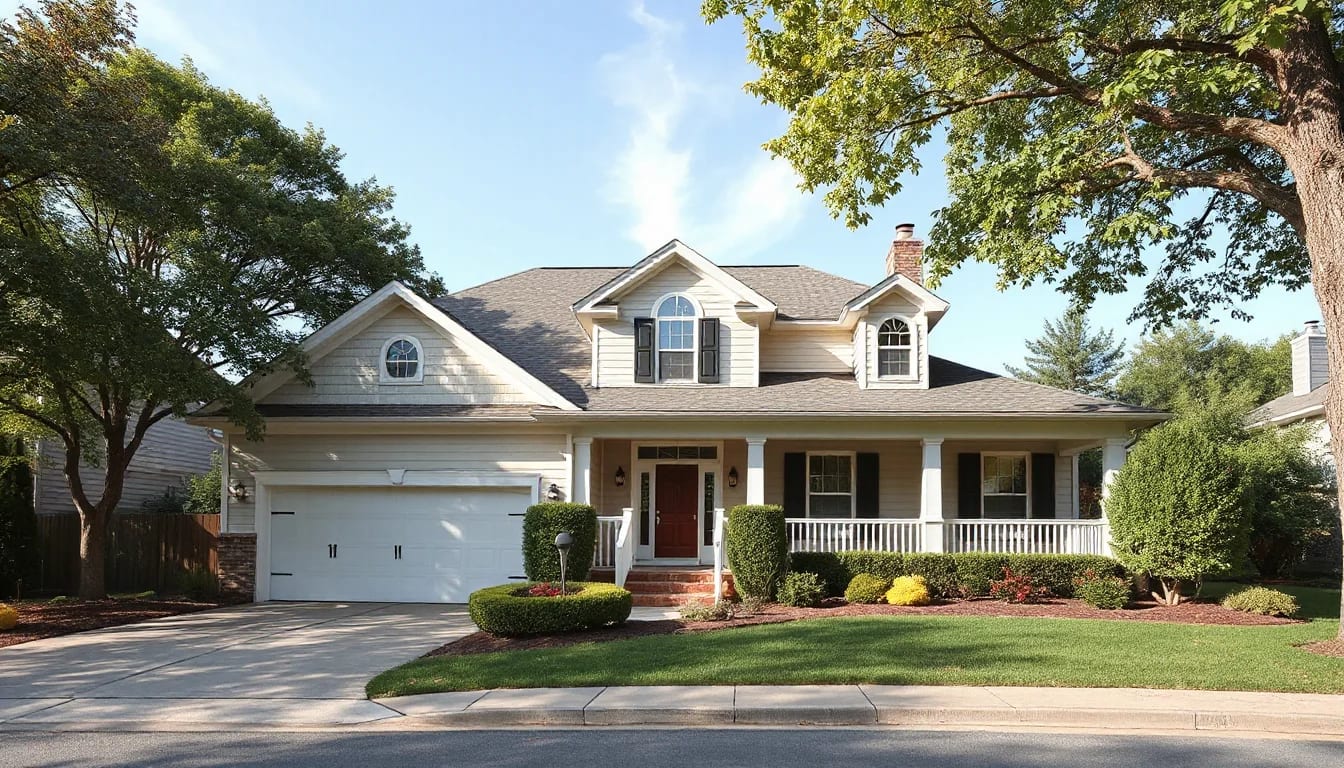
A home can be a place to live and a major financial decision, but the purchase price tells only part of the story. Before buying in Lincolnton, compare the metrics that shape monthly ownership costs, resale flexibility, rental potential, and long-term equity. A clear scorecard can help you evaluate several properties with more confidence.
Start with the Return You Want to Measure
“Return on investment” means different things depending on how you plan to use a property. For an owner-occupied home, the most meaningful return may be stable housing costs, equity built through principal payments, and the ability to sell later without being pressured by unexpected expenses. For a property that may become a rental, monthly cash flow and operating costs take on greater weight. The best comparison begins by deciding what success would look like for you before falling in love with finishes, paint colors, or a single attractive feature.
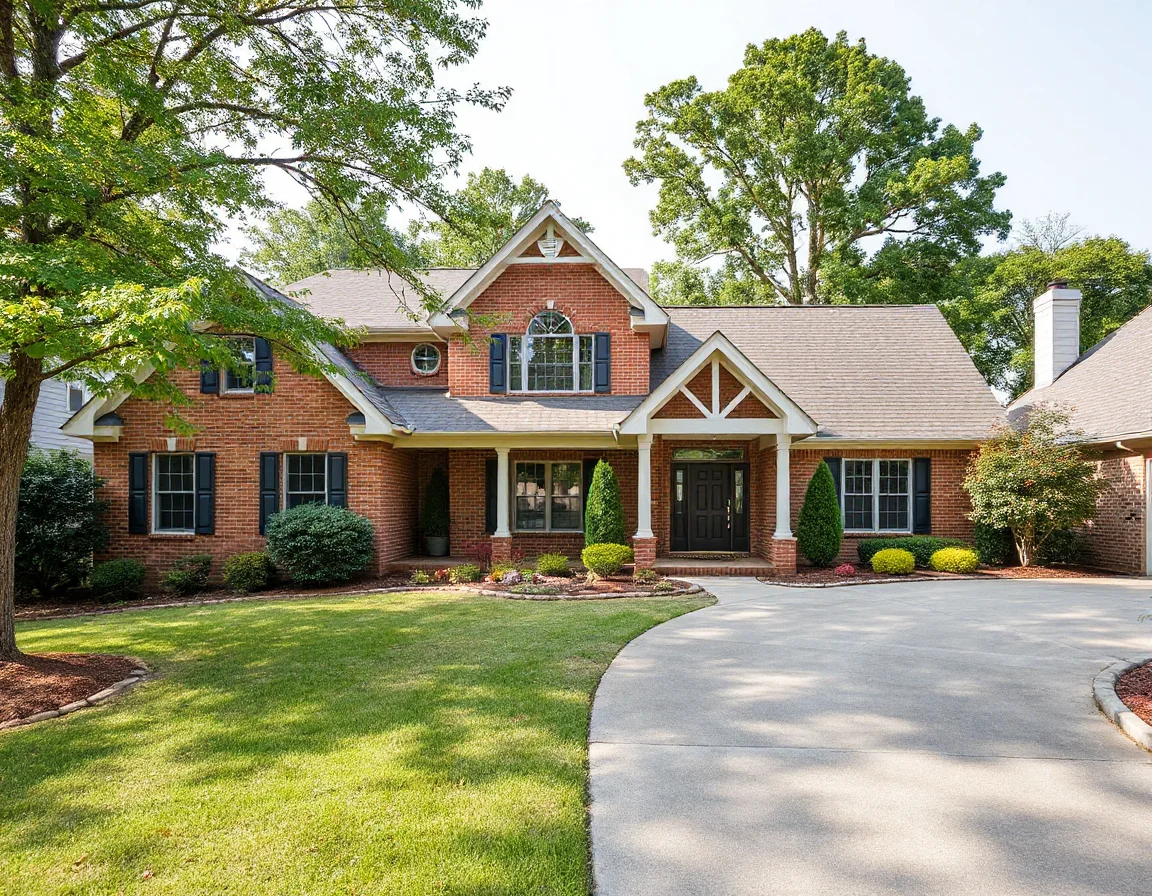
A practical way to begin is to separate market return from ownership return. Market return is influenced by changes in comparable home values over time. Ownership return includes the costs and benefits you experience while holding the property: mortgage principal reduction, property taxes, insurance, maintenance, utilities, association dues where applicable, and any improvements you make. Home values can move in either direction, so it is wise to treat appreciation as a possibility rather than a guarantee.
Build a simple worksheet for each home you are considering. Use the same assumptions for every address: purchase price, expected down payment, loan term, interest rate, estimated taxes, insurance quote, and a monthly maintenance reserve. Comparing properties with one consistent method makes it easier to see whether a lower-priced home truly costs less over time or whether deferred repairs, a high tax bill, or major systems near the end of their service life change the picture.
A useful comparison is not “Which home costs less today?” but “Which home has the clearest path to affordable ownership after taxes, insurance, repairs, and financing are included?”
For buyers looking at Lincolnton, it can also help to track each home’s location attributes in objective terms. Note travel routes, lot size, access to parks or commercial services, nearby public infrastructure, and the property’s condition relative to similarly priced homes. These details can affect both day-to-day use and how future buyers may compare the home with other available options.
Calculate the Monthly Cost, Not Just the Mortgage Payment
The monthly payment shown in an online calculator is only a starting point. A fuller ownership estimate generally includes principal and interest, property taxes, homeowners insurance, mortgage insurance if applicable, association dues, utilities, and a reserve for routine upkeep. For a property with acreage, specialized landscaping, a private well, septic system, or outbuildings, add realistic inspection and maintenance allowances instead of treating those items as distant concerns.
Maintenance is often the metric buyers overlook because it does not arrive as one predictable bill. Roof repairs, HVAC replacement, exterior painting, appliance updates, drainage work, and tree care can all affect the real cost of holding a property. A common planning approach is to set aside a percentage of the home’s value each year, then increase that reserve when the inspection identifies aging systems or immediate projects. The right figure will vary by property condition and construction, but having a reserve is better than assuming every year will be repair-free.
Ask for insurance estimates early in the process, especially before finalizing an offer. Insurance availability and premiums can differ based on construction details, claims history, roof age, deductible choices, and other underwriting factors. Pair that quote with the current tax information and ask your lender how a future reassessment or escrow adjustment could affect the payment. A property that fits your budget with conservative estimates offers more breathing room than one that only works with best-case assumptions.
Learn how to compare mortgage lenders
Use Price-per-Square-Foot Carefully
Price per square foot is a quick screen, not a final verdict. It can be helpful when comparing homes with similar age, condition, layout, and location, but it becomes less reliable when one property has substantial land, a remodeled kitchen, an unfinished basement, a workshop, a pool, or a different level of deferred maintenance. Two homes can have the same price per square foot while offering very different ownership experiences and future repair needs.

Instead, use a group of comparable metrics. Review the list price, recent comparable sales, days on market, condition, livable square footage, lot characteristics, and major upgrades. Then look at the inspection findings with the same level of attention. A home priced below nearby alternatives may represent an opportunity, but it may also reflect work that needs to be completed after closing. The useful question is whether the total acquisition and improvement cost is supported by the property’s condition and local comparable sales.
Improvement costs deserve their own line item. Cosmetic changes may be easy to phase over time, while electrical, plumbing, foundation, drainage, roofing, or heating-and-cooling issues can require earlier decisions. Obtain estimates from qualified professionals when the scope is uncertain. This process helps distinguish a manageable project from an investment that could exceed your planned budget.
Also consider liquidity: how easy might it be to sell if your plans change? Features that broaden a home’s appeal in the general market—functional layouts, sound maintenance, usable outdoor areas, convenient parking, and updated essential systems—can be meaningful. Unique features are not automatically negative, but they should be evaluated with comparable sales rather than assumptions.
If Rental Income Is Part of the Plan, Run Conservative Numbers
Some buyers consider a home purchase with the possibility of renting it later. If that is part of your strategy, estimate income and expenses conservatively. Start with realistic rent research for comparable properties, then subtract vacancy allowance, property management if you expect to use it, repairs, capital reserves, taxes, insurance, utilities paid by the owner, and any association fees. Local rental rules, lease requirements, and financing terms should also be reviewed before relying on projected income.
Two common rental metrics are gross rent multiplier and capitalization rate. Gross rent multiplier compares the purchase price to annual gross rent, offering a fast but incomplete screen because it ignores expenses. Cap rate compares a property’s net operating income to its purchase price, which makes it more useful for comparing income-producing properties. Neither calculation replaces cash-flow planning, especially when a mortgage payment is involved. Your lender, tax professional, and local real estate professional can help you understand how these figures apply to a specific purchase.
When projected rent is close to projected expenses, leave room for vacancy and repairs. A rental plan should still make sense when a month is unoccupied or an essential system needs attention.
Rental potential should never be the sole reason to overlook condition or financing details. A property that is manageable to maintain, appropriately insured, and purchased at a supportable price usually creates a stronger foundation than one that depends on an optimistic rent estimate. Keep documentation from your research so you can revisit the assumptions before making an offer.
Compare the Exit Plan Before You Make an Offer
Every purchase benefits from a simple exit plan. Consider how long you expect to own the home, the likely transaction costs if you sell, the projects that should be completed while you own it, and the amount of equity you would need to cover a future sale. A longer ownership horizon may give you more time to absorb closing costs and normal market changes, while a shorter timeline makes purchase costs and resale flexibility especially important.
Before submitting an offer, review your scorecard one more time. Compare the all-in monthly cost, inspection-related expenses, likely improvement budget, financing terms, comparable sale support, and possible resale considerations. No single number can predict the future, but a disciplined comparison reduces the chance that a decision is driven by one appealing detail alone.
Lincolnton buyers have the strongest foundation when they match a home’s condition, price, and ownership costs to their own goals. Whether you are focused on a primary residence, future flexibility, or a potential income property, taking time to evaluate the key ROI metrics can turn a complicated search into a more informed decision.