
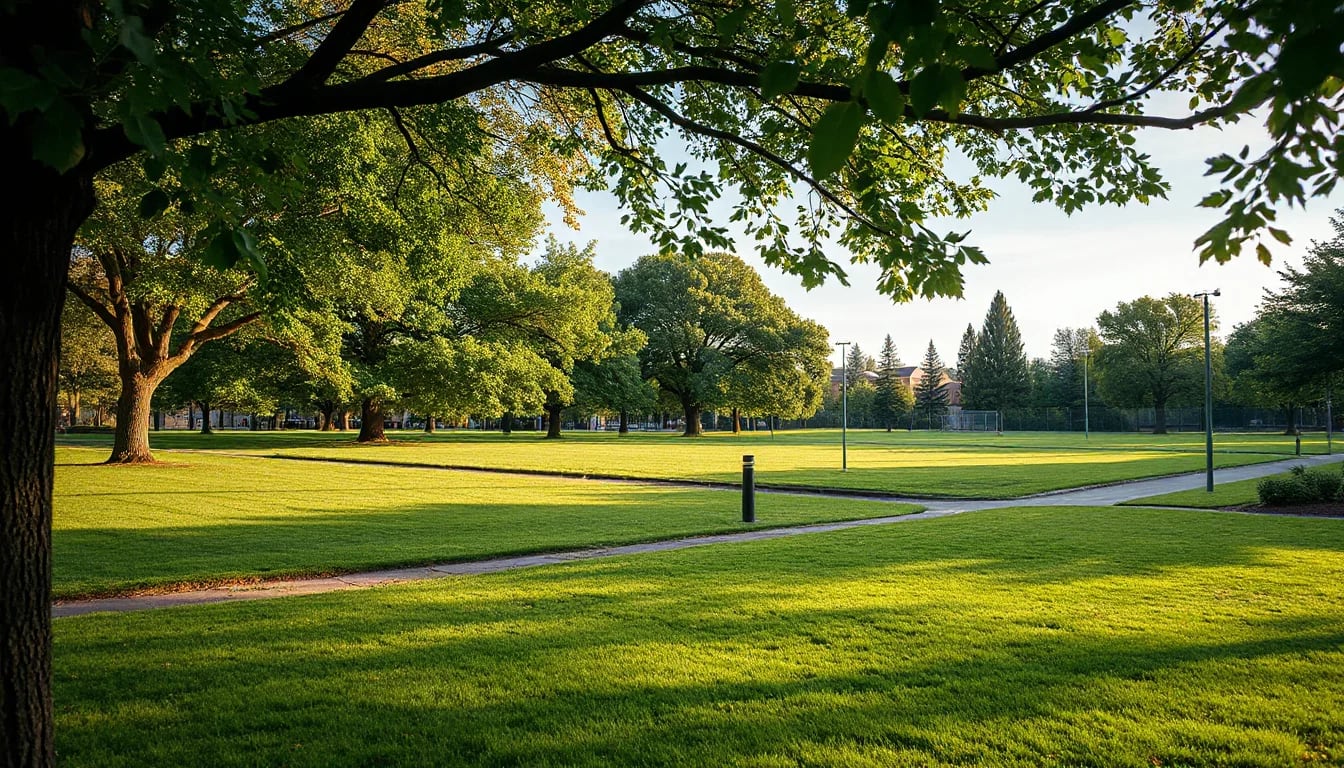
Denver makes it easy to build an afternoon around the outdoors: a trail-side walk, time beside a reservoir, and a memorable meal can all fit into the same day. Whether you are comparing neighborhoods or simply exploring more of the city, these parks, marina areas, and dining districts offer a practical feel for the rhythms of life near home.
Denver’s Outdoor Map Starts Close to Home
One of Denver’s most useful qualities is how quickly a regular weekday can turn into time outside. The city’s network of neighborhood parks, regional trails, creek corridors, and nearby reservoirs creates many options for a short walk, a bike ride, a picnic, or an unhurried evening outdoors. These places are not just destinations for special occasions; they are part of the everyday landscape people consider when deciding how they want to use their time at home.
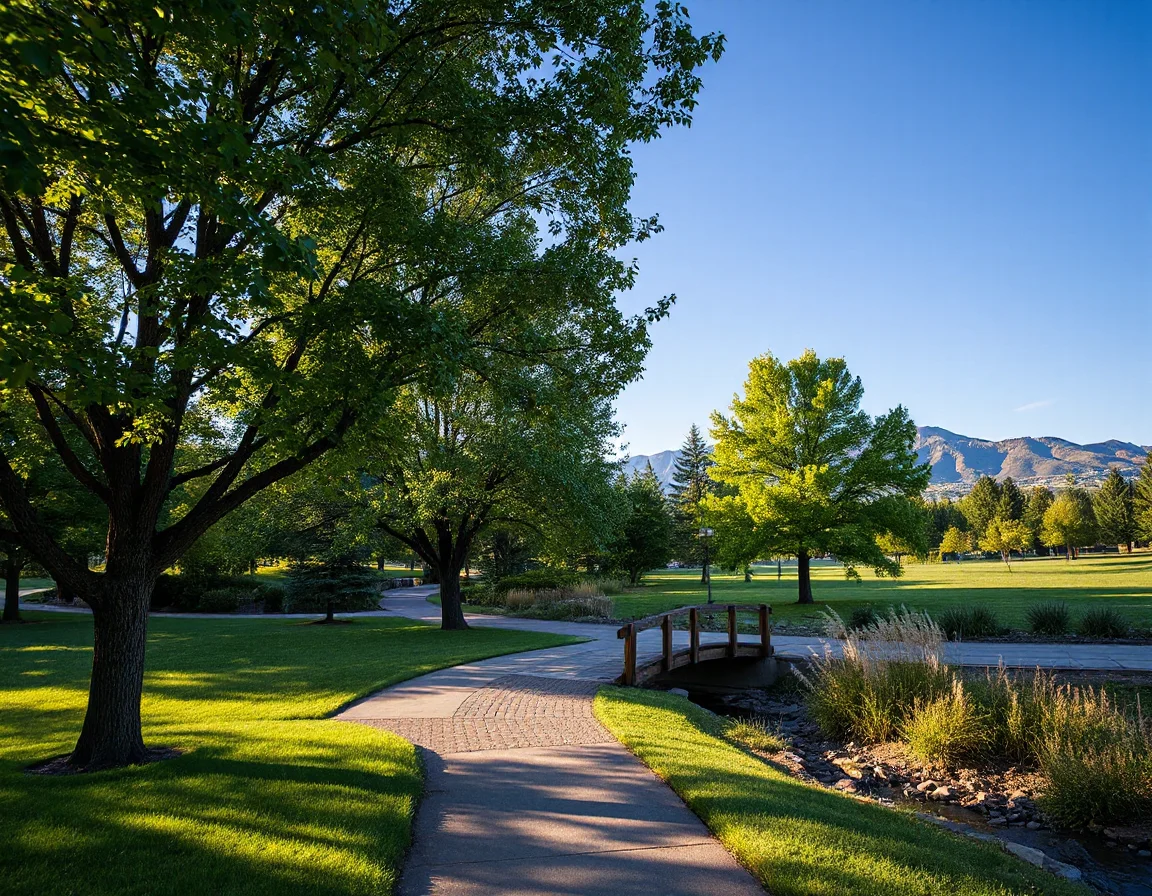
City Park is one of the most recognizable examples. Its broad paths, historic pavilion, lake views, and proximity to the Denver Museum of Nature & Science make it a flexible stop in nearly any season. On clear days, the skyline and mountain backdrop add a visual reminder of Denver’s high-plains setting. Nearby streets offer a mix of older homes, apartments, and everyday conveniences, making the park a useful reference point when comparing central-city locations.
Washington Park, commonly called Wash Park, offers another familiar green space with two lakes, formal gardens, long walking loops, and an active recreation setting. The paved perimeter route is popular for walking, running, and cycling, while the interior paths create quieter ways to move through the park. Rather than treating proximity to a park as a simple checkbox, it can help to visit at the time of day you would actually use it: an early morning, a weekend afternoon, or after work.
Denver’s sunny climate and frequent blue-sky days make outdoor access a year-round consideration, but shade, trail connections, parking patterns, and wind exposure can feel very different from one park block to the next.
Smaller parks matter, too. Cheesman Park provides mature trees and open space near Capitol Hill and Cherry Creek, while Sloan’s Lake Park combines a large waterside loop with city and mountain views. Along the South Platte River, greenway trails connect many pockets of the metro area and provide a practical route for cyclists and walkers. When touring homes, checking the actual path between a property and a nearby trail or park can reveal more than a map pin alone.
Reservoir Days and Marina Access Around the Metro
Denver is inland, but water recreation is still a meaningful part of the regional lifestyle. The larger reservoirs around the metro area create space for boating, paddling, fishing, shoreline walks, and open-water views, particularly from late spring into early fall. These destinations also offer a different perspective on the Front Range: wide horizons, changing light, and the contrast of water against Colorado’s dry climate.
Cherry Creek State Park, southeast of central Denver, is a frequent choice for trail users and water recreation. Its reservoir supports boating and paddling, and the park’s extensive trail system adds options beyond the shoreline. The surrounding area includes a broad mix of housing styles and commercial corridors, so many people exploring southeast Denver factor regional park access into their search alongside commute routes, shopping needs, and home features.
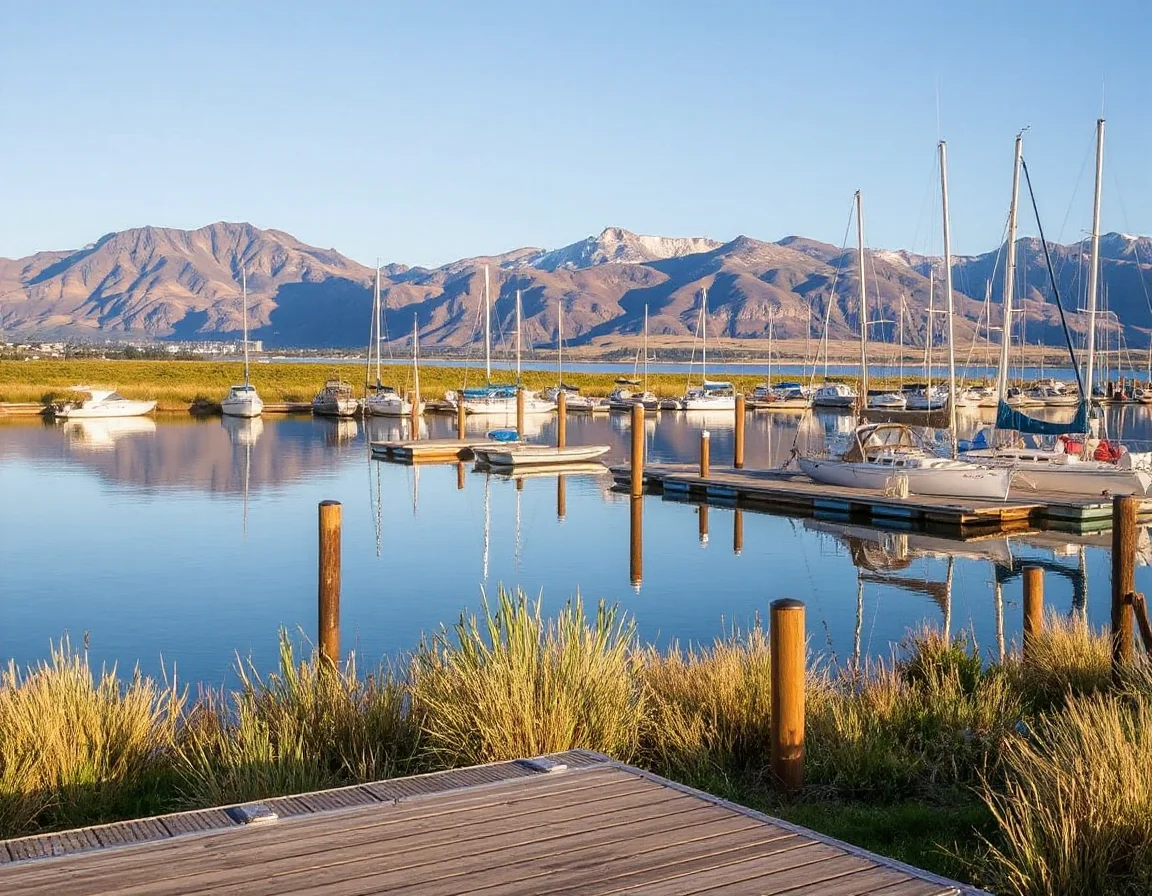
Chatfield State Park, southwest of Denver, is another major regional recreation area. The reservoir and marina environment bring opportunities for boating, fishing, paddle sports, and shoreline time, while the surrounding open space gives the area a more spacious visual character. Conditions can change quickly with weather, wind, and seasonal water levels, so it is worth reviewing current park guidance before planning a day on the water.
For a closer-to-town outing, Sloan’s Lake offers a waterside loop without the logistics of a larger state park. It is not a marina destination in the same sense as Chatfield or Cherry Creek, but it provides a valuable amenity for people who enjoy walking near water, watching the changing sky, or taking a break from city streets. The lake’s position west of downtown also makes it easy to pair an outdoor stop with nearby food and cultural destinations.
A reservoir visit can be a smart way to test a location’s real-world drive time: go on a weekend at the hour you would leave home, then note traffic, parking, trail access, and the return trip.
These outdoor assets can influence how a home feels without being visible from the front door. A property’s immediate block may be calm and residential, while a ten- or fifteen-minute drive opens up trailheads, marinas, golf courses, and larger parks. For buyers, the useful question is not simply “What is nearby?” but “Which nearby places fit the routines I want to create?”
Dining Districts Worth Exploring Between Showings
Denver’s dining landscape is spread across distinct districts rather than concentrated in one single center, which makes exploration part of the experience. A home search can become more grounded when it includes time spent on the streets where you might pick up dinner, meet a friend, or settle in with coffee after a morning walk. The goal is not to find a universally “best” area, but to notice which pace, building pattern, and mix of amenities feels useful to you.
South Pearl Street near Washington Park offers a walkable commercial corridor with independent food options, seasonal outdoor activity, and easy access to the park. Tennyson Street in Berkeley has a similarly approachable neighborhood scale, with a mix of dining, local services, and nearby connections to Berkeley Lake Park. Both areas reward a slow visit: arrive early enough to walk a few blocks beyond the busiest stretch and notice the transitions between homes, public space, and everyday destinations.
RiNo, LoHi, and the River North area present a more urban setting, with converted industrial buildings, newer residential construction, galleries, music venues, and a wide range of dining choices. These districts can feel especially different on weekday mornings, weekend evenings, and during large events. If a home nearby is on your list, visiting at several times can give a clearer sense of traffic flow, street activity, sunlight, and parking conditions.
For a classic central Denver outing, Larimer Square and Union Station place dining within a short walk of transit connections, hotels, offices, and major city destinations. Meanwhile, Cherry Creek provides a polished mix of dining and retail close to Cherry Creek North’s residential streets and multi-use paths. Each district has its own practical tradeoffs, from building density to street parking to proximity to major roads, and those details are best assessed in person.
Turn Local Exploration Into a More Confident Home Search
Exploring Denver through its parks, marina areas, and dining districts is about more than filling a weekend calendar. It is a way to understand distance, terrain, weather, street patterns, and the daily conveniences that can shape a move. Bring a simple list of priorities when you tour: preferred outdoor access, transportation needs, dining habits, desired home layout, maintenance expectations, and the locations you visit most often.
Michelle Scholz can help connect those priorities to available homes and provide a practical perspective on comparing locations across Denver. A thoughtful search leaves room for both the numbers and the lived details: the route to a trail, the feel of a local park at sunset, or the ease of meeting friends for dinner after a day near the water.