

Mooresville home shopping becomes much clearer when you separate the headline price from the factors behind it: location, condition, financing, competition, and available inventory. A thoughtful plan can help you compare homes on their real value, move quickly when the right fit appears, and stay grounded when the market feels fast.
Start With the Story Behind the Price
Home prices are useful, but they are only the opening line of the Mooresville market story. Two homes with similar square footage can have very different list prices because of lot size, updates, age, layout, outdoor space, homeowner association details, and proximity to the routes and amenities a buyer uses most. The most confident buyers look beyond a single price-per-square-foot figure and compare the complete package.
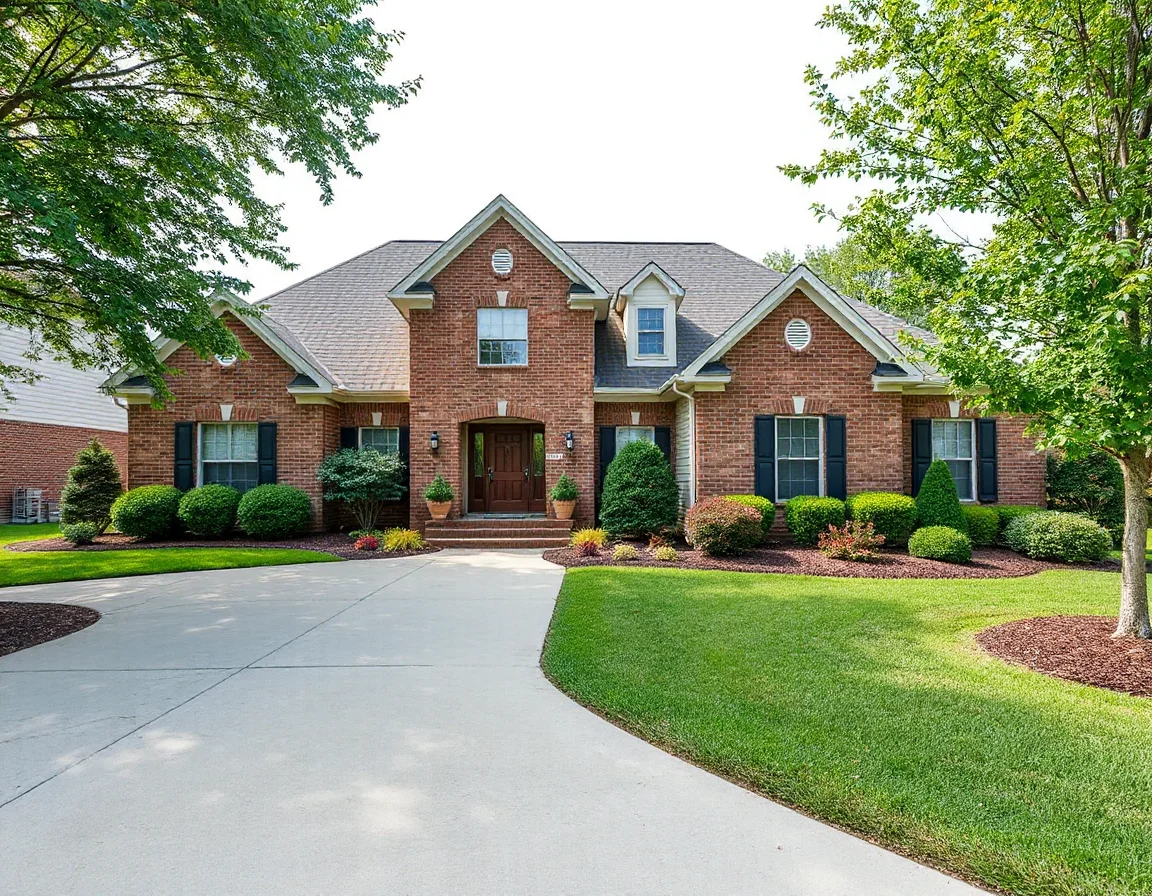
In a market with a broad range of homes, it helps to create a comparison set before touring. Save several active listings that share a similar style, approximate size, condition, and setting. Then note what each one offers that does not appear in the basic listing fields: a renovated kitchen, a flexible bonus room, a covered patio, a larger garage, a cul-de-sac location, or a home that needs immediate work. This exercise turns browsing into a practical pricing conversation.
It is also worth distinguishing between the list price, the eventual contract price, and the total cost of owning the home. Property taxes, insurance, lender fees, potential HOA dues, utilities, maintenance, and planned improvements all shape the monthly and long-term picture. A lower-priced home that requires substantial repairs may be a strong opportunity for some buyers, while a move-in-ready property can be worth a premium for others. The right answer depends on your budget, timeline, and comfort with projects.
A useful comparison is not “Which home is cheapest?” but “Which home delivers the strongest fit and value after expected costs, condition, and location are considered together?”
Inventory changes the rhythm of every search. When more homes are available, buyers may have additional time to compare options and may encounter a wider spread of conditions and price points. When inventory is tighter, well-prepared buyers can benefit from having financing details, priorities, and decision criteria ready before a standout listing appears. Neither situation calls for guessing; both call for current information and a clear process.
Read Inventory Without Getting Overwhelmed
New listings, price adjustments, pending sales, and homes returning to the market can all appear during a single week. Rather than treating each update as a signal to rush, watch the pattern over several weeks. Are comparable homes receiving activity quickly? Are price reductions becoming more common? Are homes in certain condition ranges lingering longer than others? These details can reveal more than a broad headline about whether the market is “hot” or “slow.”

Focus your attention on the slice of inventory that actually matches your search. A buyer looking for a townhome, a newer construction home, or a property with a particular number of bedrooms may experience a different level of choice than the market as a whole. The same is true for price bands. A useful search should account for the realistic purchase range rather than stopping exactly at a preapproval maximum, since closing costs, repairs, and appraisal outcomes can affect the final plan.
Keep a short list of non-negotiables and a longer list of preferences. Non-negotiables might include commute considerations, a required room count, or a layout that supports your day-to-day needs. Preferences can include cosmetic finishes, a certain view, or a particular outdoor feature. That distinction helps prevent a beautiful photo gallery from distracting you from the fundamentals. It also makes it easier to evaluate a new listing quickly and consistently.
Days on market can be informative, but they should never be read in isolation. A property may have been listed longer because it was initially priced above comparable sales, because it has distinctive features that appeal to a narrower group of buyers, or because its condition calls for careful evaluation. Conversely, a quick pending status does not automatically establish that every comparable home requires an aggressive offer. Ask for context on similar recent sales, current competing listings, and any known property considerations.
Prepare for the Numbers Before You Offer
Financing preparation is one of the simplest ways to make a home search feel more manageable. Before writing an offer, review the loan options available to you, estimate a comfortable monthly payment, and understand how changes in interest rates can affect purchasing power. A lender can explain documentation, rate-lock timing, down-payment options, and the estimated funds needed to close. Clear answers make it easier to evaluate homes based on the full financial picture rather than the list price alone.
When you find a home that deserves a closer look, move through a consistent checklist. Review seller disclosures when available, consider the age and apparent condition of major systems, confirm the lot and boundary information, and understand any HOA rules or fees. An inspection period is an opportunity to learn about the home, not simply a hurdle to clear. The results can inform repair discussions, budgeting, and the decision to move forward.
Strong preparation creates options: it lets you respond promptly to a compelling listing while still preserving time for the inspections, financing steps, and document review that support a sound decision.
Appraisals deserve attention as well. An appraisal is an independent opinion of value for the lender, based in part on recent comparable sales. If the appraised value differs from the contract price, buyers and sellers may need to discuss next steps such as a price change, revised financing, a larger buyer contribution, or another mutually acceptable solution. Knowing this possibility exists before an offer is submitted helps avoid surprises later.
Learn how to choose a mortgage lender
Use Local Perspective, Then Trust Your Priorities
Mooresville offers a varied housing landscape, from established neighborhoods and townhomes to newer communities and homes near Lake Norman. The goal is not to chase every new listing; it is to understand which settings, property features, and price ranges align with your plans. Touring homes at different times of day, mapping regular travel routes, and comparing current options with recent closed sales can add valuable perspective to the online search.
Keep room in the process for both data and instinct. Market data can show how comparable homes have been positioned and what buyers have recently paid. Your own priorities determine whether a particular home’s layout, upkeep, outdoor space, and location work for you. When those two viewpoints line up, you are in a stronger position to make a focused, well-supported decision.
Confidence does not require predicting every shift in the market. It comes from knowing your budget, following current inventory closely, asking detailed questions, and evaluating each home on its individual merits. With a practical framework and timely guidance, Mooresville home prices and inventory become information you can use—not noise you have to navigate alone.